
NCERT alters 'Dancing Girl' image in new textbook, sparks controversy
NCERT's new Class 9 textbook 'Madhurima' has modified the image of the famous 'Dancing Girl' statue from the Indus Valley Civilization by covering parts of the figure with color, making it appear clothed. Historians have criticized this change as censorship.

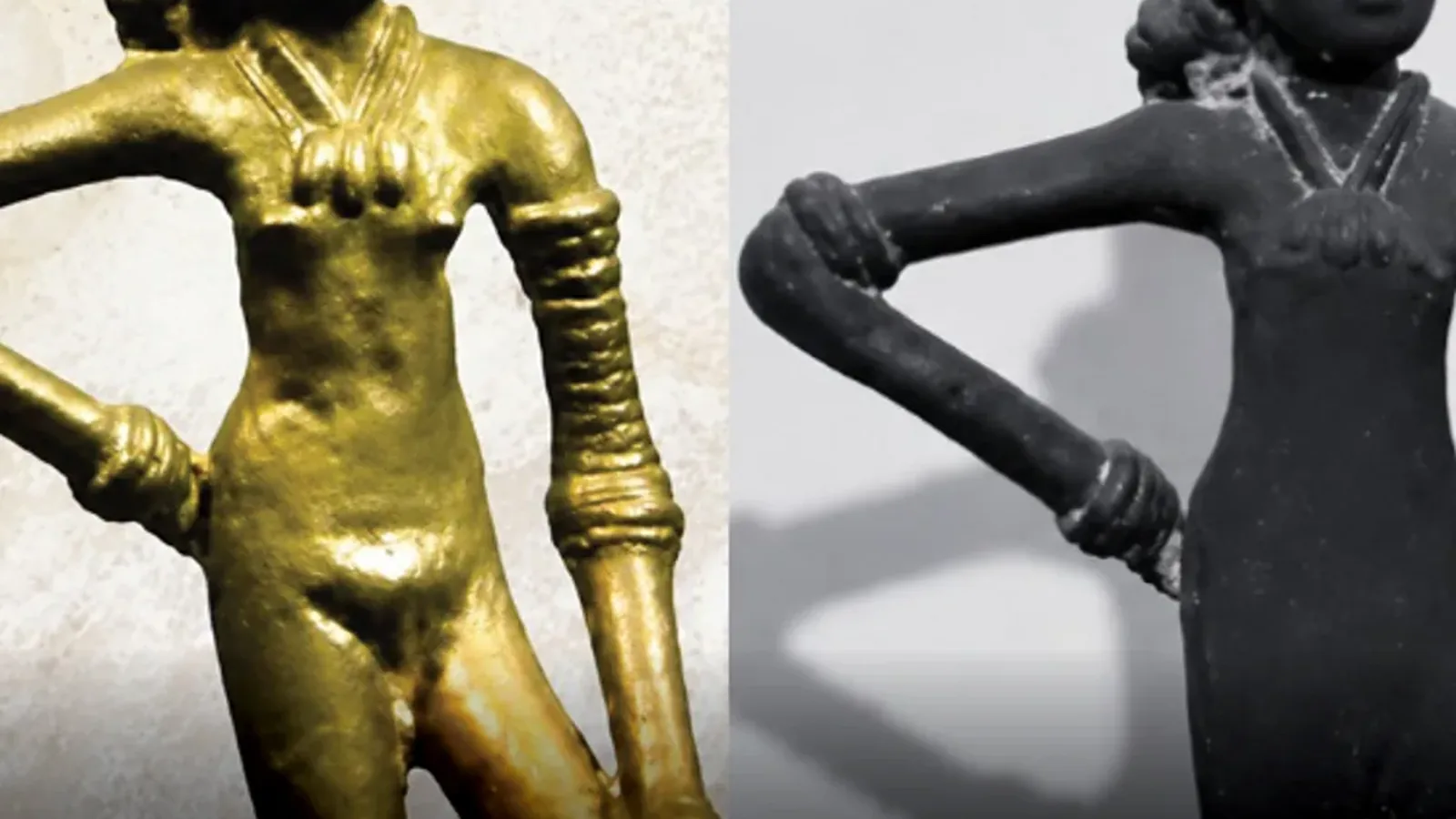
NCERT's recently released Class 9 textbook 'Madhurima' has altered the depiction of the iconic 'Dancing Girl' statue from the Indus Valley Civilization. The image in the book shows the statue's torso covered with color, giving the appearance of clothing, unlike the original bronze statue, which is unclothed. This change appears in the first chapter, 'History of Arts,' of the textbook, which is part of NCERT's new Arts Education series under the National Education Policy (NEP) and National Curriculum Framework (NCF).
Historians, including Michel Danino, have criticized this modification, calling it censorship. Danino stated that covering the statue's torso misrepresents the artifact and creates an inaccurate portrayal of history. He questioned whether students would also be restricted from viewing the original statue and other similar artifacts displayed in the National Museum.
NCERT Director Dinesh Prasad Saklani responded to queries about the alteration, stating there was no specific reason behind the change. He clarified that the original image of the 'Dancing Girl' remains in the Class 6 Social Science textbook, where it is presented as one of the major discoveries of the Harappan Civilization.
Danino also highlighted a previous instance where objections were raised about the statue's depiction in NCERT's Class 6 textbook. The image was moved from the opening page to a smaller placement inside the chapter but was not removed entirely.
Key Points
- NCERT's new Class 9 textbook 'Madhurima' modifies the 'Dancing Girl' statue image by covering parts of the torso.
- Historians, including Michel Danino, criticized the change as censorship and misrepresentation.
- NCERT Director stated there was no specific reason for the alteration.
- The original image of the 'Dancing Girl' remains in the Class 6 Social Science textbook.
- Previous objections to the statue's depiction led to changes in its placement within the Class 6 textbook.
Frequently asked questions
What change was made to the 'Dancing Girl' image in the new NCERT Class 9 textbook?
The image in the textbook shows the statue's torso covered with color, giving the appearance of clothing, unlike the original bronze statue, which is unclothed.
Who criticized the alteration of the 'Dancing Girl' image and why?
Historians, including Michel Danino, criticized the alteration as censorship and misrepresentation of the artifact.
Did NCERT provide a specific reason for altering the 'Dancing Girl' image?
NCERT Director Dinesh Prasad Saklani stated there was no specific reason behind the change.
Is the original image of the 'Dancing Girl' statue still available in any NCERT textbooks?
Yes, the original image of the 'Dancing Girl' remains in the Class 6 Social Science textbook.
What previous changes were made regarding the depiction of the 'Dancing Girl' statue in NCERT textbooks?
In a previous instance, the image was moved from the opening page to a smaller placement inside the chapter in the Class 6 textbook, but it was not removed entirely.
You may also like
 National
India's Para Asian Games Blazers Feature 5,000-Year-Old Indus Valley Motifs
 National
UPSC Mains Practice Focuses on India's Decolonisation and Harappan Artifacts
 Politics
Parliament panel moots higher education spending, says NEP’s 6% GDP target unmet
 International
hardeep singh puri-Epstein Files: New Photo Sparks Political Row as Rahul Gandhi Asks, “Who Is America …
Most read
- 1
Air China Adds Extra Flight for Passengers Stranded in Fuel-Starved Cuba
- 2
Western disturbance to bring rain, hail and strong winds across north India
- 3
Yogi Adityanath Directs No Occupied Houses Be Demolished for Achhalda Bridge
- 4
Gwalior Temple Truck Crash Kills 12, Injures 28-29 Devotees During Navratri
- 5
Schools Shut in Five Tamil Nadu Districts, Including Chennai, Amid Heavy Rain
Comments
No comments yet. Be the first to comment.