
Merck and Moderna's melanoma vaccine becomes first mRNA cancer therapy approved in Phase 3 trial
Merck and Moderna's mRNA melanoma vaccine demonstrated significant improvements in Phase 3 trials when combined with Keytruda, marking the first successful

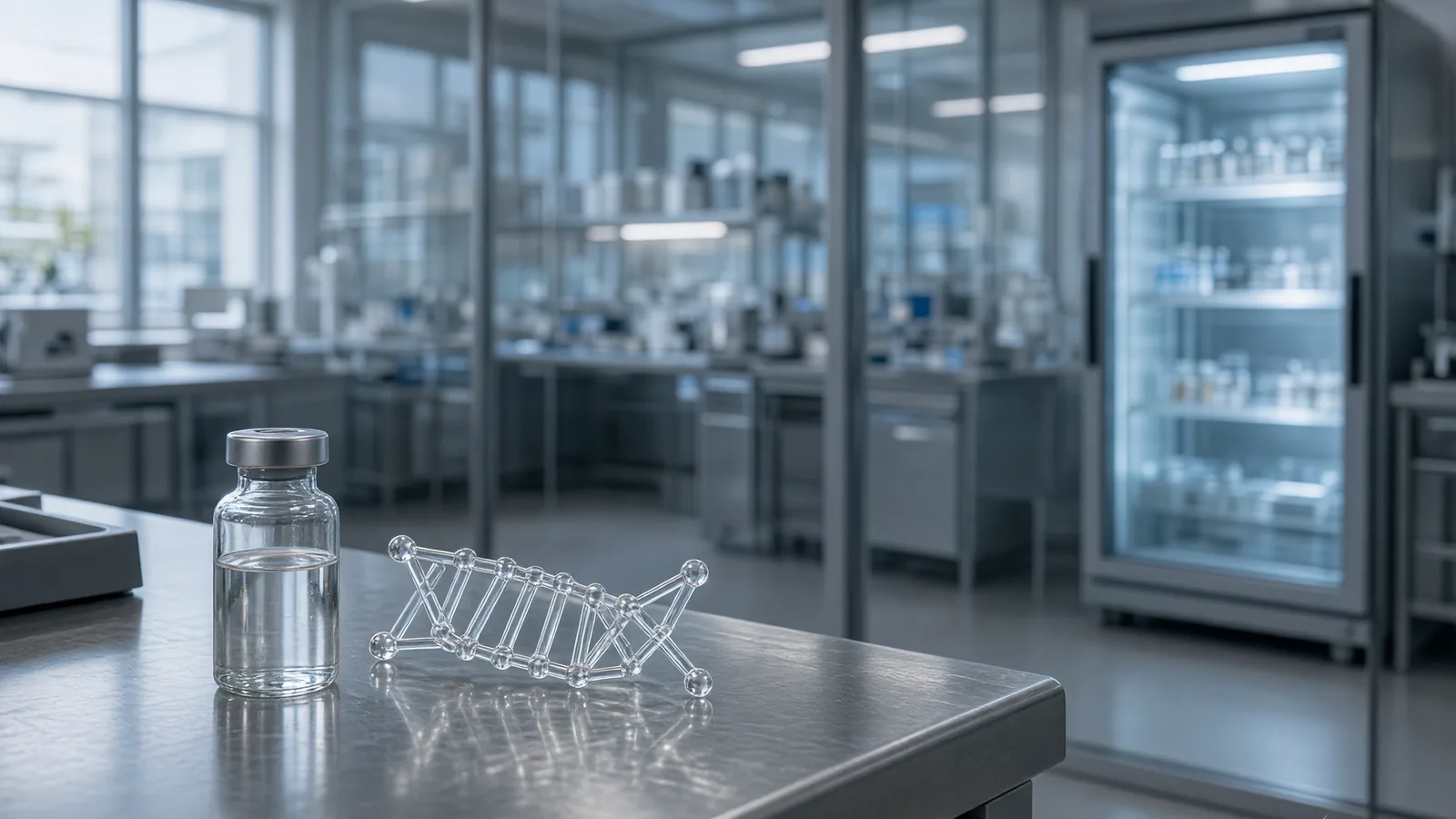
US pharmaceutical giants Merck and Moderna announced Wednesday that their experimental melanoma vaccine delivered statistically significant improvements when combined with existing cancer treatment, marking the first successful Phase 3 trial for an mRNA-based cancer therapy.
The vaccine, intismeran autogene, showed "statistically significant and clinically meaningful improvements" for skin cancer patients when administered alongside Merck's Keytruda treatment, according to a joint statement from both companies.
First mRNA Cancer Therapy Success
The trial results represent a watershed moment for oncology research. "This represents the first positive Phase 3 readout for an individualised neoantigen therapy (INT) and for an mRNA-based cancer therapy," the companies said. The breakthrough leverages messenger RNA technology, the same platform that proved highly effective against severe Covid-19 infections.
How the Treatment Works
Unlike conventional vaccines designed to prevent disease, intismeran autogene functions as a therapeutic vaccine that treats existing melanoma by training the patient's immune system to target tumours and other invaders. This personalised approach tailors the treatment to each patient's specific cancer profile.
Market Responds
Financial markets reacted sharply to the announcement, with Moderna shares surging more than 90 per cent to around US$120 in early New York trading Wednesday. Merck stock climbed 10 per cent on the same news.
The positive Phase 3 results potentially clear regulatory pathways toward approval, though neither company specified a timeline for seeking authorisation.
Source: South China Morning Post
Frequently asked questions
What is intismeran autogene and how does it work?
Intismeran autogene is an mRNA-based therapeutic vaccine developed by Merck and Moderna that treats existing melanoma by training the patient's immune system to target tumors. Unlike preventive vaccines, it functions as a personalized treatment tailored to each patient's specific cancer profile.
Why is this melanoma vaccine considered a breakthrough?
This represents the first positive Phase 3 trial readout for both an individualized neoantigen therapy and an mRNA-based cancer therapy, marking a watershed moment for oncology research using messenger RNA technology.
How effective is the vaccine in treating melanoma?
When combined with Merck's Keytruda treatment, the vaccine showed statistically significant and clinically meaningful improvements for skin cancer patients in Phase 3 trials.
What happens next after these trial results?
The positive Phase 3 results potentially clear regulatory pathways toward approval, though neither Merck nor Moderna has specified a timeline for seeking authorization from regulatory bodies.
You may also like
 National
BMS launches India's first dual immunotherapy for metastatic melanoma
 Business
Akeso Shares Jump After AstraZeneca's $2 Billion Summit Investment
 International
Gene-editing injection shows promise as one-time cholesterol treatment alternative
 National
Cancer Treatment Impacted by Drug Shortage in India, Full Report
Most read
- 1
Air China Adds Extra Flight for Passengers Stranded in Fuel-Starved Cuba
- 2
Western disturbance to bring rain, hail and strong winds across north India
- 3
Yogi Adityanath Directs No Occupied Houses Be Demolished for Achhalda Bridge
- 4
Gwalior Temple Truck Crash Kills 12, Injures 28-29 Devotees During Navratri
- 5
Schools Shut in Five Tamil Nadu Districts, Including Chennai, Amid Heavy Rain
Comments
No comments yet. Be the first to comment.