
InnoCare, Eli Lilly Sign Research And Licensing Deal Worth Up To $3.35 Billion
InnoCare's Eli Lilly pact signals Chinese biotech firms moving beyond single-drug licensing toward broader global research partnerships.

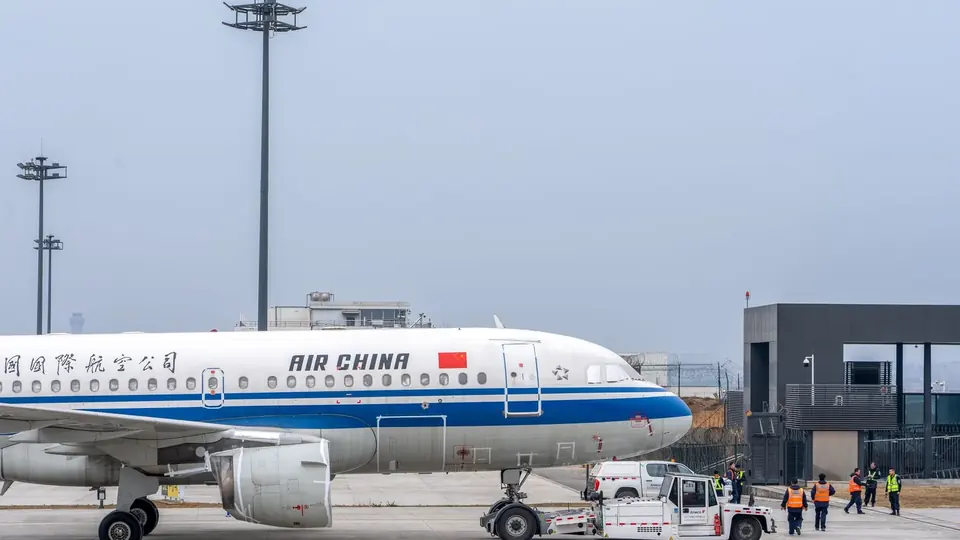
Beijing-based cancer drug developer InnoCare Pharma said on Thursday it had entered into a strategic research collaboration and licensing agreement with US pharmaceutical giant Eli Lilly that could be worth up to US$3.35 billion.
Deal points to a broader shift
Analysts said the transaction highlights a move by China’s biotech firms towards bigger partnerships, with deal making evolving beyond the licensing of individual drug candidates.
The latest transaction underscores that shift as China’s biotech sector transforms from a follower into what analysts described as a global innovation leader.
InnoCare’s pact with Eli Lilly is therefore being read not only as a single company agreement, but also as part of a wider change in how Chinese biotech companies are engaging with global pharmaceutical groups.
What the companies disclosed
InnoCare said it would use its drug discovery platform to identify and advance compounds against up to five targets.
The companies did not disclose the specific therapeutic areas covered by the partnership.
They said only that the new drugs would seek to “address critical unmet medical needs”.
The agreement combines research collaboration with licensing, placing it beyond a simple licensing arrangement for one drug candidate.
For analysts, the potentially US$3.35 billion value of InnoCare’s agreement with Eli Lilly reflects the increasing scale of such partnerships involving Chinese biotech firms.
Source: South China Morning Post
Frequently asked questions
What agreement did InnoCare Pharma sign with Eli Lilly?
InnoCare Pharma entered into a strategic research collaboration and licensing agreement with Eli Lilly.
How much could the InnoCare and Eli Lilly deal be worth?
The agreement could be worth up to US$3.35 billion.
What will InnoCare do under the partnership?
InnoCare said it will use its drug discovery platform to identify and advance compounds against up to five targets.
Did the companies disclose the therapeutic areas covered by the deal?
No. The companies did not disclose the specific therapeutic areas, saying only that the drugs would seek to address critical unmet medical needs.
Why do analysts see the deal as significant?
Analysts said the transaction reflects a broader shift by China’s biotech firms toward larger partnerships that go beyond licensing individual drug candidates.
You may also like
 Weather
Uttar Pradesh Rain: Red Alert In 8 Districts, Schools Shut For 2 Days
 National
Goal.com’s Zidane Line-Up Update Latest In Türkiye vs France Coverage
 Uttar Pradesh
SP supporter Aman Yadav gets grand welcome after Badaun dandvat yatra
 Weather
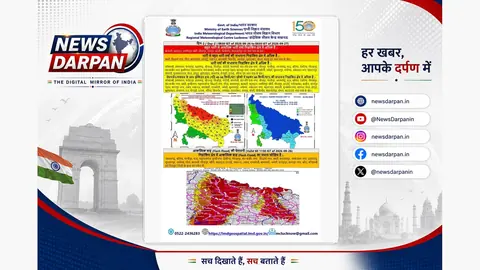
Red Alert In Uttar Pradesh For Extremely Heavy Rain On September 26-27
Most read
- 1
Former minister Lakhan Singh Rajput to inaugurate temple bhandara at Shri Chakreshwar Mahadev
- 2
Firozabad BSA finds four government schools locked during inspection
- 3
Tamil Nadu dengue cases fall for third consecutive year to 17,049
- 4
Social workers stage silent protest at Fufund railway station for train halts
- 5
Dibiyapur's Chakreshwar Mahadev Temple Holds Budhwa Mangal Prasad Distribution
Comments
No comments yet. Be the first to comment.