
Government Confirms No Plans to Raise Ethanol Blending Above 20%
The government clarifies no increase in ethanol blending beyond 20% in petrol, citing studies and stakeholder consultations.

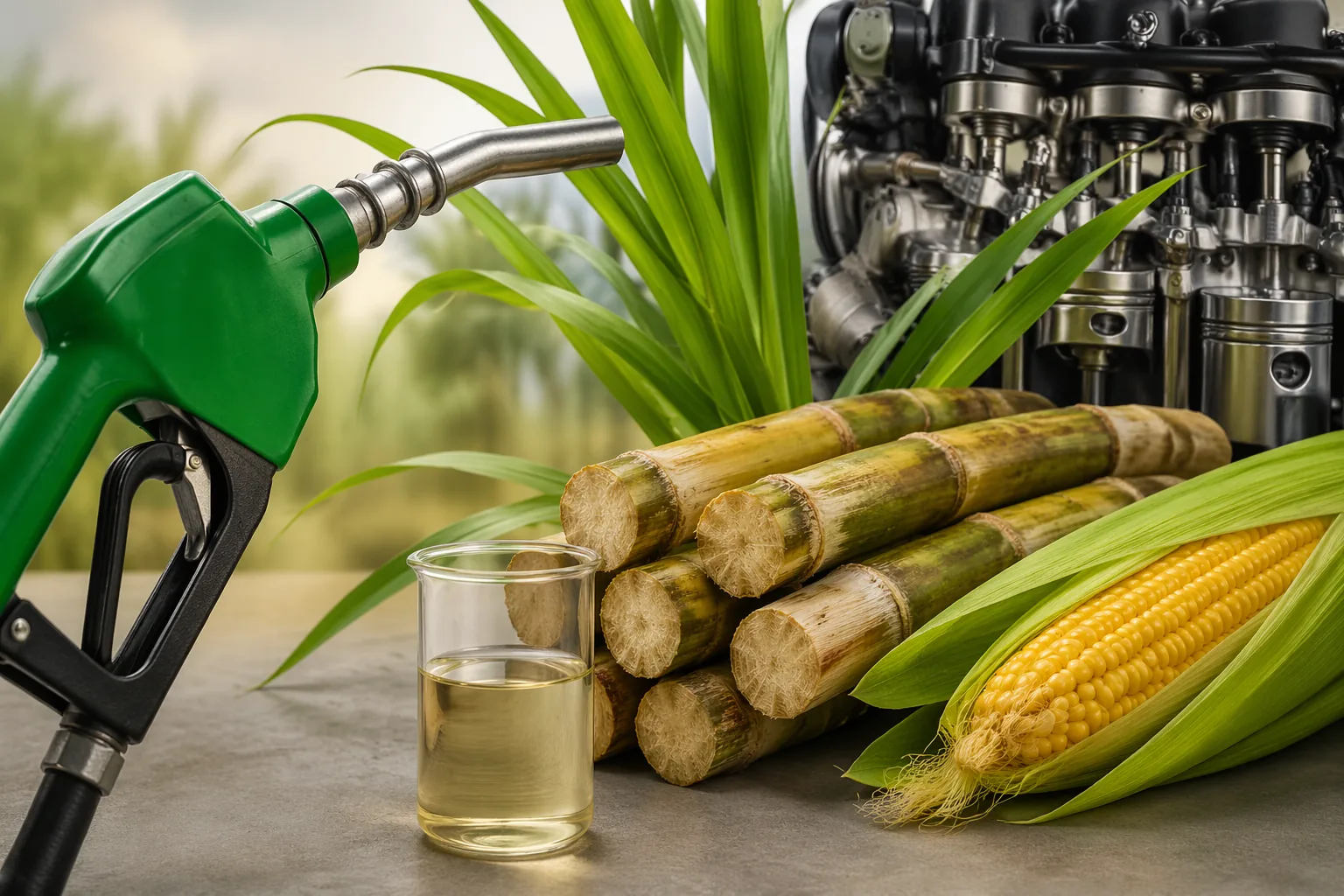
The Centre has clarified that no decision has been made to increase ethanol blending in petrol beyond the current 20% level, despite public concerns over mileage and engine wear in older vehicles. Minister of State for Petroleum and Natural Gas, Suresh Gopi, informed Parliament on Monday that any move to raise blending levels would only follow detailed scientific studies and consultations with stakeholders, including automobile manufacturers and oil marketing companies. Additionally, the government has ruled out offering lower ethanol blends or pure petrol at fuel stations.
Backlash Over E20 Fuel
India achieved 20% ethanol blending last year, making E20, a mix of 80 parts petrol and 20 parts ethanol, the standard petrol variant nationwide. However, the transition has sparked criticism, particularly from owners of older vehicles not designed for higher ethanol blends. Concerns include reduced mileage and potential damage to engine components.
Responding to these claims, Gopi acknowledged that older vehicles designed for E10 fuel could experience a 3-5% drop in fuel economy. However, he emphasized that E20 offers multiple advantages, such as higher octane ratings, cleaner combustion, smoother engine operation, and superior anti-knock characteristics. Studies also show that mileage is influenced more by driving habits, tyre pressure, and vehicle maintenance than by fuel type.
Why Lower Blends Aren’t an Option
Calls for the availability of pure petrol and lower ethanol blends, such as E10, have been rejected by the government. Gopi explained that maintaining parallel supply chains for multiple fuel types would complicate logistics and increase costs. Moreover, reverting to lower blends would dilute the environmental, energy security, and farmer welfare benefits achieved through the Ethanol Blended Petrol (EBP) Programme.
A Long-Term, Evidence-Based Transition
The government has stressed that the shift to E20 was neither sudden nor unplanned. India’s ethanol blending programme began in 2001 and has progressed gradually, with blending levels increasing from 1.5% in 2013-14 to 10% in 2021-22, and finally reaching 20% in 2025-26, five years ahead of schedule. Extensive testing and validation have been conducted, involving over 20 crore two-wheelers and 3 crore petrol cars. No verified evidence of widespread engine failure due to ethanol blending has emerged.
Economic and Environmental Gains
The ethanol blending initiative has yielded significant benefits, including savings of over ₹1.97 lakh crore in foreign exchange, displacement of 3.16 crore tonnes of crude oil, prevention of 952 lakh tonnes of carbon dioxide emissions, and generation of ₹1.66 lakh crore in income for farmers. The government remains committed to advancing the programme based on scientific validation and stakeholder input.
This clarification comes as the government seeks to balance public concerns with its broader goals of energy security, environmental sustainability, and rural economic development.
Source: Indian Express
Frequently asked questions
Will the government increase ethanol blending above 20% in petrol?
No. The government has clarified that no decision has been made to increase ethanol blending beyond the current 20% level. Any future increase would only follow detailed scientific studies and consultations with stakeholders, including automobile manufacturers and oil marketing companies.
What is E20 fuel and when did India transition to it?
E20 is a fuel mix containing 80 parts petrol and 20 parts ethanol. India achieved 20% ethanol blending last year, making E20 the standard petrol variant nationwide. This transition occurred five years ahead of the original schedule.
How does E20 affect fuel economy in older vehicles?
Older vehicles designed for E10 fuel may experience a 3-5% drop in fuel economy with E20. However, the government notes that mileage is influenced more by driving habits, tire pressure, and vehicle maintenance than by fuel type.
Why doesn't the government offer lower ethanol blends or pure petrol?
The government has ruled out offering lower blends or pure petrol because maintaining parallel supply chains for multiple fuel types would complicate logistics and increase costs. Additionally, reverting to lower blends would diminish environmental, energy security, and farmer welfare benefits of the Ethanol Blended Petrol Programme.
What are the benefits of E20 fuel?
E20 offers higher octane ratings, cleaner combustion, smoother engine operation, and superior anti-knock characteristics. The ethanol blending programme also provides environmental benefits, improved energy security, and supports farmer welfare.
You may also like
 Politics
Bengaluru Minister Orders Notices to Departments Over Waste Management Failures
 Agriculture
Karnataka's Irrigation Projects in Crisis Due to Government Inaction
 Maharashtra
India Excludes Sugar-Based Ethanol From 2026-27 Tender to Protect Supplies
 National
Adani Foundation Plants 3,000 Saplings Using Miyawaki Method in Anni Baijal
Most read
- 1
Air China Adds Extra Flight for Passengers Stranded in Fuel-Starved Cuba
- 2
Western disturbance to bring rain, hail and strong winds across north India
- 3
Yogi Adityanath Directs No Occupied Houses Be Demolished for Achhalda Bridge
- 4
Gwalior Temple Truck Crash Kills 12, Injures 28-29 Devotees During Navratri
- 5
Schools Shut in Five Tamil Nadu Districts, Including Chennai, Amid Heavy Rain
Comments
No comments yet. Be the first to comment.