
FSSAI Proposes Limits for Two Pesticide Residues in Tea
FSSAI has proposed maximum residue limits for acetamiprid and imidacloprid in tea through draft food safety regulations.

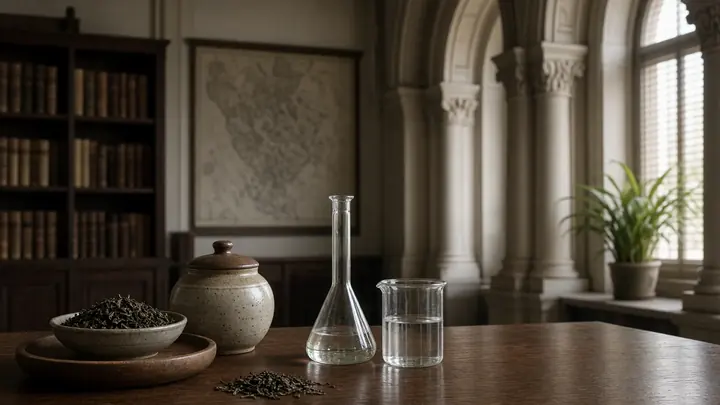
The Food Safety and Standards Authority of India (FSSAI) has proposed regulatory limits for residues of acetamiprid and imidacloprid in tea, according to a Central Government release issued on October 17, 2026.
The proposal is contained in draft regulations published in the Gazette of India on October 16, 2026.
Limits proposed for two pesticides
The draft Food Safety and Standards (Contaminants, Toxins and Residues) Amendment Regulations, 2026, propose a maximum residue limit (MRL) of 20 mg/kg, or 20 parts per million, for acetamiprid in tea.
For imidacloprid, the proposed MRL is 50 mg/kg, or 50 parts per million.
These limits are subject to the finalisation of the draft regulations.
The proposed MRLs are intended to establish regulatory benchmarks for pesticide residues in tea and support compliance with food safety requirements.
They are also intended to facilitate monitoring and enforcement once the regulations are finalised.
The proposed acetamiprid limit is lower than the corresponding limits of 30 ppm in Japan and 50 ppm in the United States.
The proposed limit for imidacloprid is based on international Codex standards, according to the source.
FSSAI’s explanation of residue limits
“Maximum Residue Limits are an important component of food safety regulation,” the release said.
It said MRLs specify the maximum legally permitted concentration of pesticide residues in food commodities.
According to the release, such limits are established on the basis of scientific assessments that take into account pesticide residue data, dietary exposure and relevant safety considerations.
The proposed limits are intended to provide greater regulatory clarity to tea growers, processors, food businesses, testing laboratories and enforcement authorities.
The release also said India’s average pesticide use in agriculture is less than 0.5 kg per hectare, compared with an estimated global average of 2.38 kg per hectare.
It said India’s average use is also lower than levels reported in several countries, including Colombia, Brazil and the United States.
The proposed standards therefore set out specific residue benchmarks for tea while the draft regulations move towards finalisation.
Source: The Hindu
Frequently asked questions
What pesticide residue limits has FSSAI proposed for tea?
FSSAI has proposed a maximum residue limit of 20 mg/kg (20 parts per million) for acetamiprid and 50 mg/kg (50 parts per million) for imidacloprid in tea.
When were the draft regulations published?
The draft regulations were published in the Gazette of India on October 16, 2026.
Are the proposed pesticide limits final?
No. The proposed limits are subject to the finalisation of the draft regulations.
Why are the proposed residue limits being introduced?
They are intended to establish regulatory benchmarks for pesticide residues in tea, support food safety compliance, and facilitate monitoring and enforcement.
You may also like
 Maharashtra
FSSAI Proposes Ban On Non-Milk Products Being Sold As Paneer
 National
Telangana suspends FSSAI licenses of nine restaurants over food safety violations
 Health
Bengaluru club kitchen shut after inspectors find 40 kg expired chilli
 National
Zomato bans analogue cheese dishes, threatens to remove non-compliant restaurants
Most read
- 1
Air China Adds Extra Flight for Passengers Stranded in Fuel-Starved Cuba
- 2
Western disturbance to bring rain, hail and strong winds across north India
- 3
Yogi Adityanath Directs No Occupied Houses Be Demolished for Achhalda Bridge
- 4
Gwalior Temple Truck Crash Kills 12, Injures 28-29 Devotees During Navratri
- 5
Schools Shut in Five Tamil Nadu Districts, Including Chennai, Amid Heavy Rain
Comments
No comments yet. Be the first to comment.