
Fatty Pancreas Disorder Recognized as Serious Health Risk
Fatty pancreas disorder poses serious health risks like diabetes and pancreatitis. Learn about its causes, symptoms, and importance of early intervention.

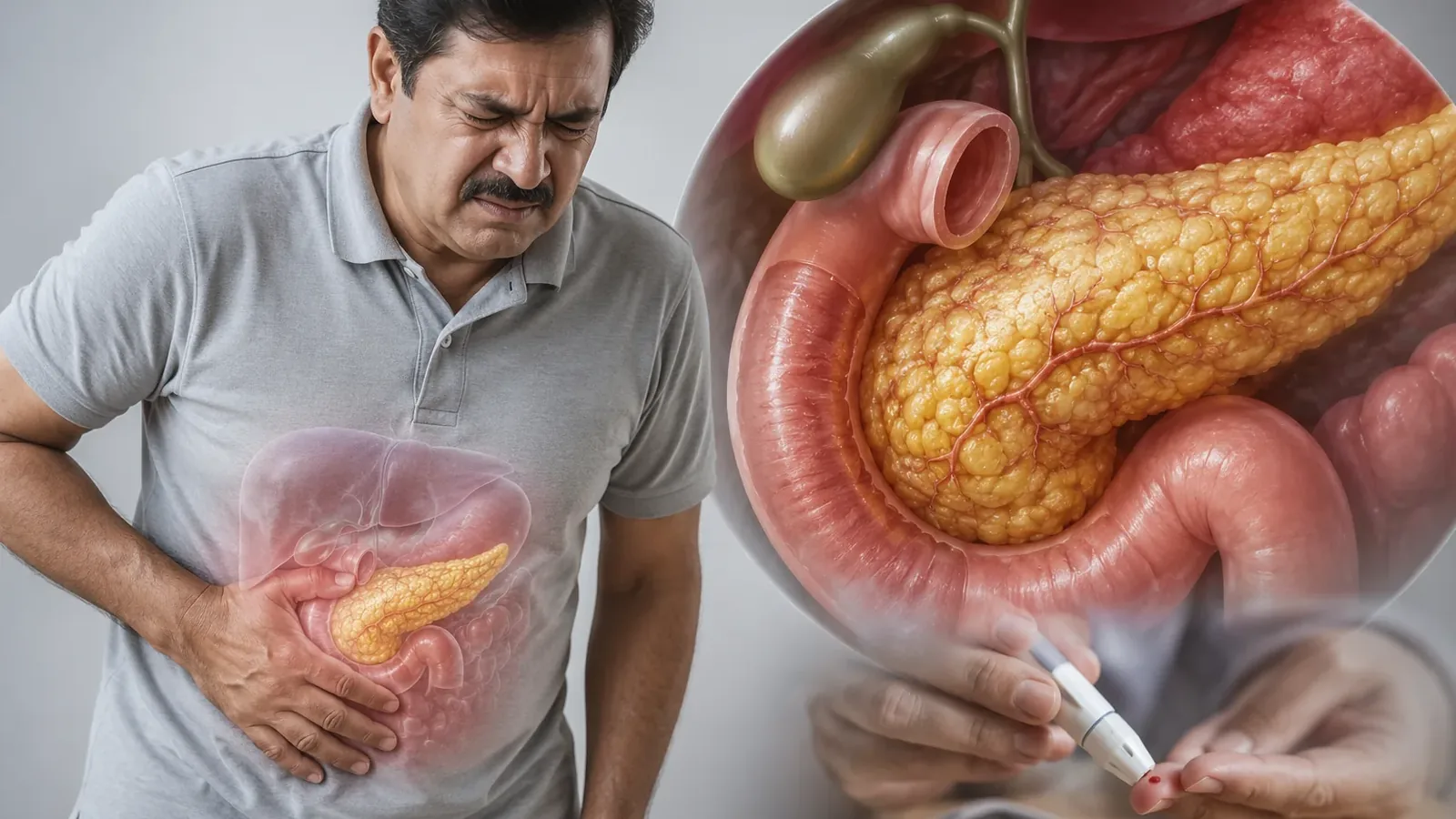
When Fat Reaches the Pancreas: What You Need to Know
Fatty Pancreas Disorder (FPD) has been officially recognised as a distinct medical condition, shedding light on a little-known but potentially serious health issue. Excess fat in the pancreas, once dismissed as an incidental finding, is now understood to pose significant health risks, including diabetes, pancreatitis, and even pancreatic cancer.
---
What Is Fatty Pancreas?
Fatty pancreas occurs when fat accumulates within the pancreatic tissue. While some fat naturally builds up with age, excessive fat can result from obesity, genetics, lifestyle factors, and even environmental influences. Notably, lean individuals are not immune to the condition.
The pancreas plays a vital role in digestion and blood sugar regulation. Fat buildup can impair insulin-producing cells, making it harder to control blood sugar levels and increasing the risk of type 2 diabetes. This creates a vicious cycle, as obesity, diabetes, and fatty pancreas can exacerbate one another.
---
Silent but Dangerous
One of the most concerning aspects of fatty pancreas is its silent nature. Dr Ameet Mandot, Director of Hepatology at Gleneagles Hospital Parel, explained that the condition often lacks characteristic symptoms. It is usually discovered incidentally during imaging tests like ultrasounds or MRIs done for unrelated reasons.
In some cases, individuals may experience mild symptoms such as upper abdominal discomfort, prolonged fullness after meals, bloating, or indigestion. However, many people remain asymptomatic, which can delay diagnosis and intervention.
---
Why It Matters
Untreated fatty pancreas can lead to severe complications. According to experts, it increases the risk of pancreatitis, a painful inflammation of the pancreas, and may contribute to pancreatic cancer over time. While more research is needed to establish a direct cause-and-effect relationship, early intervention is crucial to mitigate these risks.
Dr Saiprasad Lad from Wockhardt Hospitals emphasised that fatty pancreas should be seen as an early warning sign to address lifestyle and metabolic risks. "Its silence does not mean it is safe," he warned.
---
Causes and Prevention
Unhealthy lifestyle choices are a significant contributor to fatty pancreas. Dr Mandot explained that when the liver becomes overloaded with processing fats and toxins, excess fat can spill over into the pancreas. This highlights the interconnected roles of the liver and pancreas in fat metabolism.
The good news? Fatty pancreas is often manageable. Experts recommend lifestyle changes such as:
- Losing 5-10% of body weight.
- Eating a diet rich in fruits, vegetables, and whole grains while cutting down on added sugars and high-fat foods.
- Engaging in regular physical activity (at least 150 minutes per week).
- Reducing alcohol consumption.
- Managing diabetes and high cholesterol.
For those with chronic conditions like diabetes, regular check-ups and weight management are particularly important to prevent further complications.
---
The Takeaway
Fatty pancreas may be silent, but its long-term consequences can be severe. Recognising the condition as a distinct disease underscores the need for greater awareness and proactive management. By adopting healthier habits and addressing risk factors early, individuals can significantly reduce their chances of developing serious pancreatic and metabolic diseases.
Source: Indian Express
Frequently asked questions
What is Fatty Pancreas Disorder (FPD)?
Fatty Pancreas Disorder occurs when fat accumulates within the pancreatic tissue, posing significant health risks such as diabetes, pancreatitis, and pancreatic cancer.
What are the symptoms of Fatty Pancreas Disorder?
The condition often lacks characteristic symptoms and may be discovered incidentally during imaging tests. Some individuals may experience mild symptoms like upper abdominal discomfort, bloating, or indigestion.
What lifestyle changes can help manage Fatty Pancreas Disorder?
Experts recommend losing 5-10% of body weight, eating a diet rich in fruits and vegetables, engaging in regular physical activity, reducing alcohol consumption, and managing diabetes and high cholesterol.
Why is early intervention important for Fatty Pancreas Disorder?
Untreated fatty pancreas can lead to severe complications, including pancreatitis and potentially pancreatic cancer, making early intervention crucial.
You may also like
 Education
Co-care scheme may prevent 9% of Hong Kong stroke, heart failure cases
 Health
Bahraich Marks World Heart Day With Screening Camps, Awareness Drives
 Health
First CKM Conclave Calls For Integrated Fight Against Lifestyle Diseases
 Health
Hathras DM Orders Wide Awareness Campaign On Safe Abortion
Most read
- 1
Air China Adds Extra Flight for Passengers Stranded in Fuel-Starved Cuba
- 2
Western disturbance to bring rain, hail and strong winds across north India
- 3
Yogi Adityanath Directs No Occupied Houses Be Demolished for Achhalda Bridge
- 4
Gwalior Temple Truck Crash Kills 12, Injures 28-29 Devotees During Navratri
- 5
Schools Shut in Five Tamil Nadu Districts, Including Chennai, Amid Heavy Rain
Comments
No comments yet. Be the first to comment.