
Farmers Share Their Favorite Mango Varieties from South India
Discover the best mango varieties in South India as shared by local farmers, including rare and native selections from Kerala, Karnataka, and more.

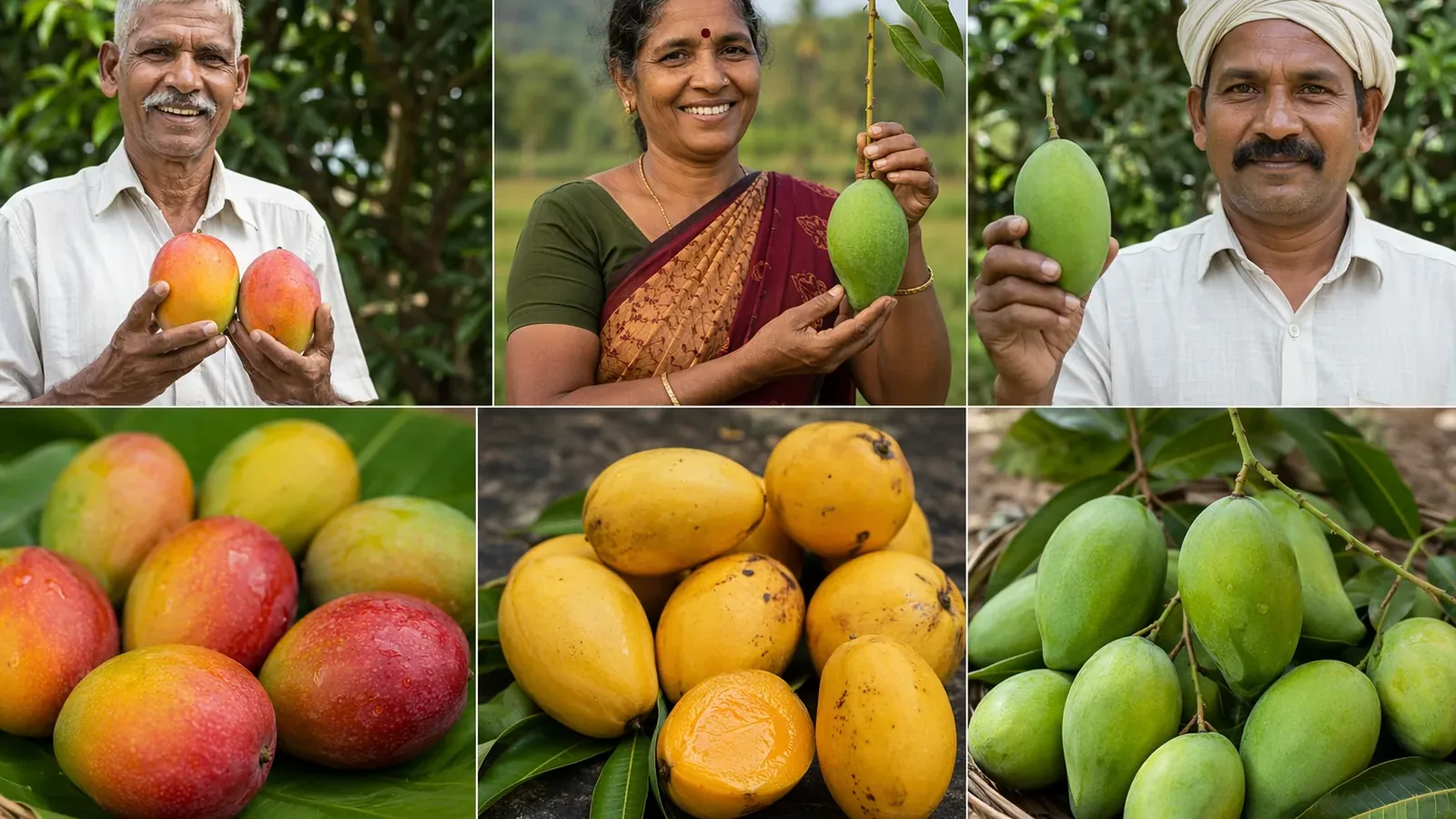
The Best Mangoes in South India, According to Farmers Who Grow Them
Mangoes hold a special place in the hearts of South Indian farmers, many of whom have dedicated their lives to cultivating and preserving native varieties. From Kerala to Tamil Nadu, Karnataka to Telangana, these farmers share their favorite mangoes and the stories behind them.
Kerala: Sweet Memories and Lost Varieties
Sankaran Namboothiri from Palakkad reminisces about a native mango variety called chakkarakodayan, which he fondly remembers from his childhood for its jaggery-like sweetness. Sadly, this variety is no longer found in backyards. Instead, he enjoys Moorthy 1, a local variety grown on a tree that has thrived for over four decades. Named after his ancestral home, Moorthiyedathu Mana, this mango grows in clusters, weighs around 100 grams, and boasts a high sugar content with a Brix level of 23. Namboothiri is passionate about conserving Kerala’s native mango varieties, many of which are disappearing. His organic farm houses 443 local varieties, including kuttiyattor from Kannur and kottoorkonam from Thiruvananthapuram. He has also collected 17 of India’s 22 GI-tagged mangoes, such as Aroor olor from Kozhikode, which is awaiting its GI tag.
Karnataka: Pickle Mangoes and Premium Hybrids
In Bengaluru, Arun Sogathur grows over 25 mango varieties, including hybrids like Arka ambika, Udaya, and Arka suprabhath. He particularly enjoys imam pasand and Arka suprabhath, the latter being a fiber-free hybrid with firm pulp even after ripening. Another favorite is the GI-tagged Appemidi mango, a native pickle variety from Karnataka known for its distinctive aroma and long shelf life. Traditionally, the whole fruit is pickled without cutting, similar to vadu manga. However, the native trees in the Shivamogga and Sirsi regions are being cut down due to their towering height, sometimes reaching 200 feet, and the loss of expertise needed to harvest them. Sogathur has adapted by maintaining tree heights for easier harvesting. Despite his love for native varieties, he grows alphonso in large quantities to meet demand.
Tamil Nadu: Rare Varieties and New Discoveries
KS Jaganatha Rajaa from Rajapalayam in Tamil Nadu cherishes the sappattai mango, which grows in the region’s red soil and is renowned for its smooth, juicy flesh. Another favorite is Panjavarnam, a variety native to Rajapalayam and its surroundings. Rajaa has revived several rare mango varieties through grafting, including Mohandas, potalma, and kovankachi, each with unique flavors. Among these, theeyamavadi is crunchy like an apple and best eaten unripe, while karupatti kaai has a palm jaggery-like taste. Recently, Rajaa discovered an unnamed mango variety from a 40-year-old tree. The fruit is small, sweet, and pulpy, with tender skin and fiber-free flesh. He is helping the landowners cultivate this variety by grafting saplings, with plans to name it once the fruit is tested for its sucrose content.
Telangana: Heirloom Varieties and Nostalgia
In Chevella, Telangana, Asiya Khan recalls childhood summers spent under mango trees, eagerly waiting for the tapakna (falling) period when mangoes ripened. Her family cultivated Deccan region varieties like Benishan (Banganapalli), imam pasand, pedda rasalu, and chinna rasalu. Mangoes were soaked in water to neutralize their heat-producing effect and remove sticky sap. Khan’s grandmother used hay to ripen mangoes at home, a tradition she fondly remembers. Today, Khan’s farm grows heirloom varieties like panchadhara, a sweet and juicy mango, and swarnarekha, which has pinkish skin. She is committed to preserving these native varieties to prevent them from being overshadowed by genetically modified ones.
From sweet pulp to crunchy textures, South India’s mango diversity is a testament to the dedication of farmers who strive to conserve and celebrate these beloved fruits. Their efforts ensure that future generations can continue to enjoy the rich legacy of native mango varieties. [S1-S14]
Frequently asked questions
Which mango variety from Kerala does Sankaran Namboothiri enjoy?
He enjoys Moorthy 1, a local variety grown on a tree that has thrived for over four decades.
What is Appemidi mango from Karnataka known for?
Appemidi is known for its distinctive aroma and long shelf life, and it is traditionally used for pickling.
Which mango varieties does KS Jaganatha Rajaa cherish in Tamil Nadu?
He cherishes sappattai, known for its smooth, juicy flesh, and Panjavarnam, which is native to Rajapalayam and its surroundings.
How many local mango varieties does Namboothiri’s organic farm house?
His organic farm houses 443 local mango varieties.
You may also like
 Crime
Crime
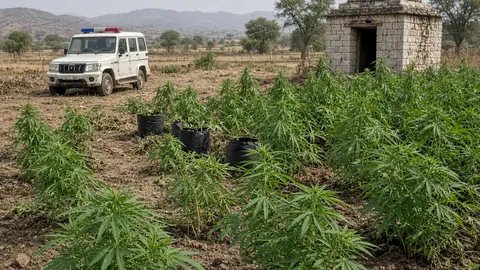
Farmer Arrested After Over 500 Cannabis Plants Found In Karnataka’s Vijayapura
 Entertainment
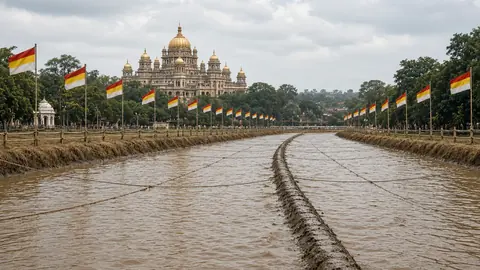
Kambala Makes Mysuru Dasara Debut With 150 Buffalo Pairs Racing
 Technology
Canada Eyes Expanded Karnataka Partnerships in Quantum Computing, AI, Aerospace, Defence
 Karnataka
Karnataka Seeks Centre’s Intervention To Resume LPG Connections, 36,000 Applications Pending
Most read
- 1
Air China Adds Extra Flight for Passengers Stranded in Fuel-Starved Cuba
- 2
Western disturbance to bring rain, hail and strong winds across north India
- 3
Yogi Adityanath Directs No Occupied Houses Be Demolished for Achhalda Bridge
- 4
Gwalior Temple Truck Crash Kills 12, Injures 28-29 Devotees During Navratri
- 5
Schools Shut in Five Tamil Nadu Districts, Including Chennai, Amid Heavy Rain
Comments
No comments yet. Be the first to comment.