
Earthquake hits northeast Japan, over 20 injured as Tokyo transport disrupted
A 5.9-magnitude earthquake struck Ibaraki prefecture in northeast Japan on Saturday, injuring over 20 people and disrupting Tokyo's transport network.

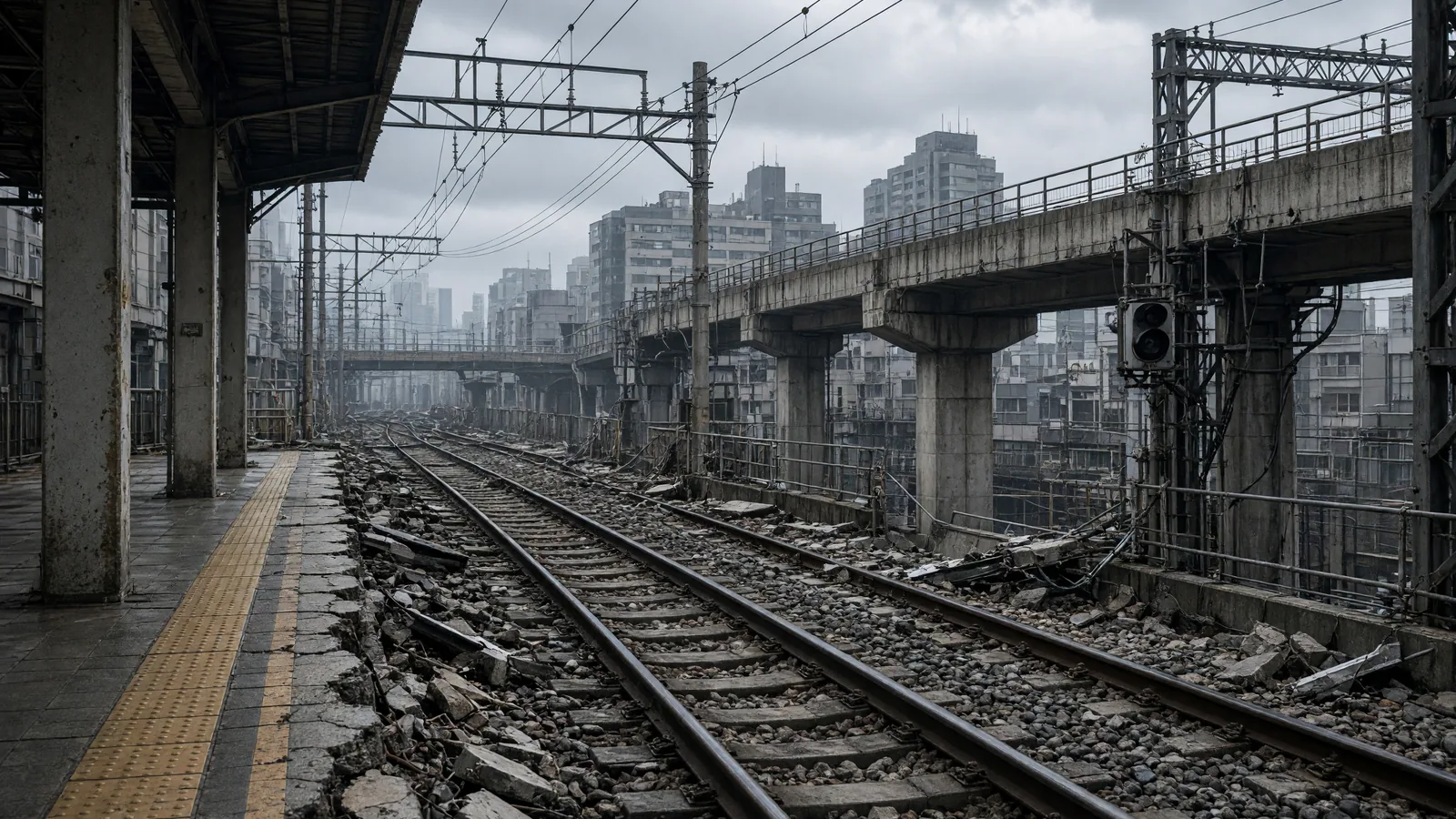
A 5.9-magnitude earthquake struck Japan's Ibaraki prefecture on Saturday, causing strong shaking across Tokyo and the surrounding region and leaving more than 20 people injured.
The tremor hit the eastern region with its epicenter in Ibaraki, though residents in Tokyo felt significant shaking from the seismic event. Initial reports indicated at least five people were injured, but authorities later confirmed the toll had risen to over 20 across the Tokyo region, with some sources reporting more than 30 injured.
Transport systems disrupted across capital
The earthquake disrupted Tokyo's transport network, affecting train services across the metropolitan area. The impact on the capital's rail systems created travel complications for commuters and residents, though specific details about the extent of delays or suspensions were not immediately provided.
Japanese meteorological authorities confirmed no tsunami warning was issued following the quake, alleviating immediate concerns about coastal threats. Despite the moderate magnitude, the earthquake's proximity to densely populated areas resulted in widespread shaking and the injury count.
Aftershock concerns and seismic risk
Following the main tremor, officials triggered warnings about the possibility of similar shaking over the next week, raising concerns about aftershock risks in the region. The Kanto region, which includes Tokyo and surrounding prefectures, remains on alert for potential subsequent seismic activity.
Japan sits on the Pacific Ring of Fire and experiences frequent seismic activity due to its location at the convergence of multiple tectonic plates. The country maintains extensive earthquake preparedness systems and building codes designed to withstand significant tremors, though moderate earthquakes can still cause injuries and disruptions in urban areas.
The Saturday earthquake serves as a reminder of the ongoing seismic vulnerability faced by one of the world's most earthquake-prone nations, where millions of residents live in areas subject to regular tectonic activity. Authorities continue monitoring the situation as they assess the full extent of damage and prepare for possible aftershocks in the coming days.
Frequently asked questions
What was the magnitude of the earthquake that hit Japan?
A 5.9-magnitude earthquake struck Japan's Ibaraki prefecture on Saturday, with its epicenter in the eastern region.
How many people were injured in the earthquake?
More than 20 people were injured across the Tokyo region, with some sources reporting over 30 injured.
Did the earthquake trigger a tsunami warning?
No, Japanese meteorological authorities confirmed that no tsunami warning was issued following the quake.
How did the earthquake affect Tokyo's transport system?
The earthquake disrupted Tokyo's transport network, affecting train services across the metropolitan area and creating travel complications for commuters and residents.
What is the aftershock risk following this earthquake?
Officials triggered warnings about the possibility of similar shaking over the next week, with the Kanto region remaining on alert for potential subsequent seismic activity.
You may also like
 National
JSS AHER Delegation Visits Japan’s AIST To Explore Research Cooperation
 Business
Japan's Nationality Disclosure Rule Sparks Fears of Slowing Foreign Property Investment
 National
Japan expands mediation channels to support ASEAN’s Myanmar peace push
 International
Beijing Approves Japanese Business Delegation Expansion From Five To Around 20
Most read
- 1
Air China Adds Extra Flight for Passengers Stranded in Fuel-Starved Cuba
- 2
Western disturbance to bring rain, hail and strong winds across north India
- 3
Yogi Adityanath Directs No Occupied Houses Be Demolished for Achhalda Bridge
- 4
Gwalior Temple Truck Crash Kills 12, Injures 28-29 Devotees During Navratri
- 5
Schools Shut in Five Tamil Nadu Districts, Including Chennai, Amid Heavy Rain
Comments
No comments yet. Be the first to comment.