
China transforms decade of linguistic research into interactive museum exhibition
Interactive exhibition in Changsha showcases recordings from Chinese dialects and 100+ ethnic minority languages collected through decade-long national sur

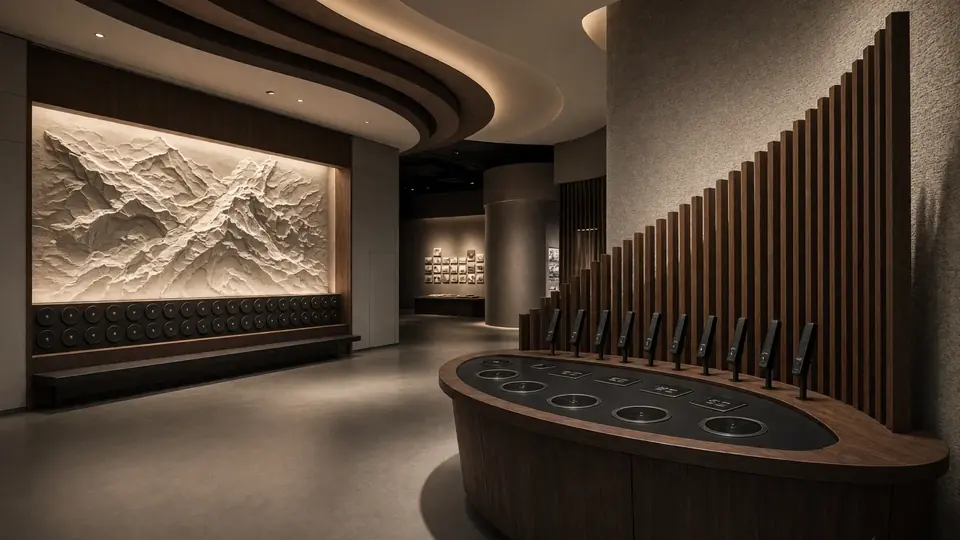
A decade-long national survey covering more than 1,800 field sites across China has culminated in a public exhibition that transforms raw linguistic data into an interactive cultural resource, opening Monday at the Hunan Museum in Changsha.
The new language resources hall showcases recordings and materials from major Chinese dialects and over 100 ethnic minority languages, including Mongolian, Tibetan and Uygur, collected through field surveys conducted nationwide over the past 10 years. The compilation reflects Beijing's broader initiative to convert the country's vast digital archive of linguistic diversity into accessible public content.
From database to exhibition floor
More than 30 language-related cultural relics are displayed alongside the digital materials. Among the star attractions is an interactive voice-recognition booth that allows museum-goers to engage directly with the collection.
Visitors can listen to local dialects, folk songs and recordings of endangered languages, while interactive exhibits enable them to explore how languages have developed in China. "Digital technology is helping to bring the results of language preservation research out of databases and into public cultural spaces," Chen was quoted as saying by state news agency Xinhua.
The exhibition represents a shift in how linguistic preservation efforts are presented, moving specialized academic research into a format designed for general public engagement. The scale of the underlying survey, spanning nearly two decades of fieldwork at 1,800 sites, underscores the scope of China's effort to document regional and minority linguistic variation before rapid urbanization and digital media further homogenize speech patterns.
Source: South China Morning Post
Frequently asked questions
What is the new exhibition at the Hunan Museum in Changsha?
A language resources hall that opened Monday showcasing recordings and materials from major Chinese dialects and over 100 ethnic minority languages, including Mongolian, Tibetan, and Uygur, collected through a decade-long national linguistic survey.
How many field sites were covered in the linguistic survey?
The survey covered more than 1,800 field sites across China over the past 10 years, documenting regional and minority linguistic variation.
What interactive features are available in the exhibition?
The exhibition includes an interactive voice-recognition booth where visitors can listen to local dialects, folk songs, and recordings of endangered languages, as well as interactive exhibits exploring how languages have developed in China.
Why is China documenting linguistic diversity through this survey?
The effort aims to preserve and document regional and minority linguistic variation before rapid urbanization and digital media further homogenize speech patterns, converting linguistic research from academic databases into accessible public cultural resources.
You may also like
 International
Chinese Submarine-Hunting Quantum Sensor Tracks Subway Train Beneath Street
 International
Seal Nana Swims 200 Km Back To Chinese Island After Release
 International
Former Chinese physician abandons medicine to sell steamed buns, finds greater happiness
 International
China faces pressure to shape maritime law as Pacific islands sink beneath rising seas
Most read
- 1
Tesla audits Chinese suppliers to scale up Optimus robot production
- 2
Former minister Lakhan Singh Rajput to inaugurate temple bhandara at Shri Chakreshwar Mahadev
- 3
Firozabad BSA finds four government schools locked during inspection
- 4
Tamil Nadu dengue cases fall for third consecutive year to 17,049
- 5
Social workers stage silent protest at Fufund railway station for train halts
Comments
No comments yet. Be the first to comment.