
China's EV Strategy Offers Roadmap for Emerging Markets' Growth
China's rise in the EV sector offers a roadmap for other nations. Can emerging markets replicate this success?

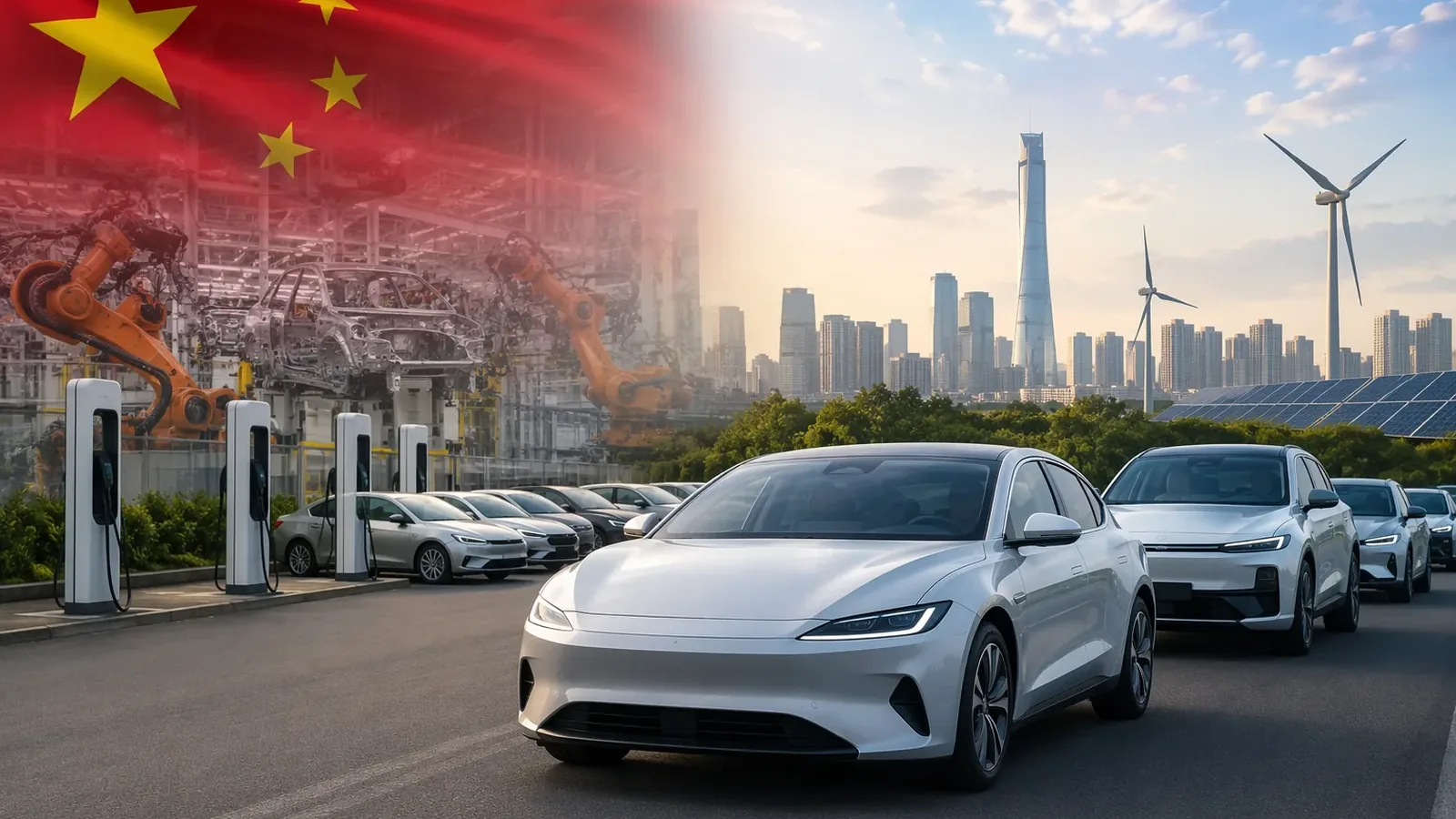
China’s rise as a global electric vehicle (EV) powerhouse has reshaped the automotive landscape, offering a potential roadmap for other nations seeking to leapfrog traditional industry barriers. By leveraging state-led policies and a robust supply chain, Beijing has demonstrated how electrification can enable industrial catch-up and foster domestic champions in a rapidly evolving market.
The Shift to Electrification: A Game-Changer for Emerging Economies
Historically, the global car industry was dominated by wealthy nations with decades of expertise in combustion engines, transmissions, and extensive supplier networks. These advantages created high barriers to entry for emerging markets, relegating them to minor roles in the automotive sector. However, the transition to EVs has disrupted this status quo.
Unlike petrol-powered vehicles, EVs rely less on complex mechanical systems like engines and transmissions, reducing the technological hurdles for new entrants. This shift has opened doors for emerging economies to compete in a sector that is still taking shape globally.
China’s State-Led Approach: Demand Creation and Localisation
China’s success in EVs is rooted in a proactive policy framework that combines incentives to stimulate consumer demand with measures to localise production and supply chains. By subsidising EV purchases and investing heavily in domestic manufacturing capabilities, Beijing has fostered a thriving ecosystem of carmakers and suppliers.
This approach has not only accelerated the adoption of EVs domestically but also positioned China as a critical player in the global EV supply chain. Emerging-market governments are now looking to replicate this strategy, hoping to build their own champions before the global market becomes dominated by a few established firms.
Leveraging China’s Supply Chain: A Shortcut for Aspiring Players
China’s vast and mature EV supply chain has further lowered barriers for new entrants. Aspiring carmakers in developing countries can now source key components more easily, bypassing the need for expensive and time-consuming R&D in areas like battery technology. This supply chain advantage offers a faster foothold for nations looking to establish themselves in the EV market.
Can Other Countries Follow China’s Lead?
While China’s policy playbook provides valuable lessons, replicating its success may not be straightforward. The scale of investment and coordination required to build a competitive EV industry is substantial, and not all governments have the resources or political will to match Beijing’s efforts. Additionally, the window of opportunity may narrow as global EV markets mature and consolidate.
Still, the electrification of transportation represents a unique chance for emerging economies to challenge the dominance of traditional automotive powerhouses. By adopting targeted policies and leveraging China’s supply chain, they may yet carve out a significant role in the future of mobility.
Source: South China Morning Post
Frequently asked questions
What has China's rise in the EV market demonstrated for emerging markets?
China's rise as a global electric vehicle (EV) powerhouse offers a potential roadmap for emerging markets to leapfrog traditional industry barriers.
How has the shift to EVs affected barriers for emerging economies?
The transition to EVs has disrupted the traditional automotive industry, reducing technological hurdles and opening doors for emerging economies to compete.
What strategies has China used to support its EV industry?
China has implemented state-led policies that include incentives to stimulate consumer demand and measures to localise production and supply chains.
What advantage does China's supply chain provide to aspiring carmakers in developing countries?
China's mature EV supply chain lowers barriers for new entrants, allowing aspiring carmakers to source key components more easily without extensive R&D.
Can other countries easily replicate China's EV strategy?
While China's strategy offers valuable lessons, replicating its success may be challenging due to the scale of investment and coordination required.
You may also like
 International
China sets 2030 target to dominate global electric vehicle market with new industrial plan
 International
Chinese regulators order carmakers to prioritize safety over untested new technology features
 International
China’s Jiada Lithium Mine Adds 1.05 Million Tonnes to Resources
 Technology
China's EV makers pivot to humanoid robots leveraging autonomous driving tech
Most read
- 1
Air China Adds Extra Flight for Passengers Stranded in Fuel-Starved Cuba
- 2
Western disturbance to bring rain, hail and strong winds across north India
- 3
Yogi Adityanath Directs No Occupied Houses Be Demolished for Achhalda Bridge
- 4
Gwalior Temple Truck Crash Kills 12, Injures 28-29 Devotees During Navratri
- 5
Heavy Rain Waterlogs Bengaluru, Snarls Traffic; Ride-Hailing Fares Surge
Comments
No comments yet. Be the first to comment.