
Xi's anti-corruption drive accelerates after more than a decade in power
Data analysis shows Xi Jinping's anti-corruption drive has intensified over 10+ years, expanding to international enforcement of cross-border cases.


President Xi Jinping's anti-corruption campaign, launched when he came to power in 2012, has not only persisted but intensified more than a decade later, defying early predictions that it would be a short-lived symbolic gesture. According to a major data project published by the South China Morning Post, the signature initiative is now accelerating rather than winding down, marking a significant shift in how observers understand its purpose and scope.
The newspaper's analysis reveals that the campaign has evolved far beyond a temporary crackdown into a permanent mechanism for enforcing Communist Party discipline and shaping economic policy. Initially, many officials and observers expected the drive to be what the report describes as "a gust of wind," a brief, symbolic effort rather than a sustained institutional transformation. Instead, the data shows the anti-graft push gaining momentum even after millions of officials across all levels of government and state enterprises have been investigated since 2012.
The expanding reach of Xi's anti-corruption framework is now moving beyond China's borders. The country's top legislature has begun reviewing a draft law designed to combat cross-border corruption, marking the first reading of legislation that would extend Beijing's anti-graft legal framework internationally. This move signals authorities' intention to pursue corruption cases involving Chinese officials or state-linked individuals operating abroad.
The South China Morning Post's multi-part series examines both the numerical scale of the campaign and the political dynamics sustaining its continuation. The data project arrives at a moment when the anti-corruption apparatus shows no signs of retreat, underscoring its role as a key tool in Xi's governance strategy that reaches into both party discipline and economic direction.
Frequently asked questions
When did Xi Jinping's anti-corruption campaign begin?
President Xi Jinping launched the anti-corruption campaign when he came to power in 2012. More than a decade later, it has not only persisted but intensified, defying early predictions that it would be short-lived.
Has the anti-corruption campaign slowed down or accelerated?
According to data analysis, the campaign has accelerated rather than wound down. It has evolved from a temporary crackdown into a permanent mechanism for enforcing Communist Party discipline and shaping economic policy, with millions of officials investigated since 2012.
Is China's anti-corruption effort expanding beyond its borders?
Yes. China's top legislature has begun reviewing a draft law designed to combat cross-border corruption, marking the first step toward extending Beijing's anti-graft legal framework internationally to pursue corruption cases involving Chinese officials or state-linked individuals operating abroad.
What did early observers predict about the anti-corruption drive?
Many officials and observers initially expected the campaign to be 'a gust of wind': a brief, symbolic effort rather than a sustained institutional transformation. This prediction has proven incorrect as the campaign continues to gain momentum.
You may also like
 International
Xi's anti-corruption drive punished 983,000 people last year alone
 International
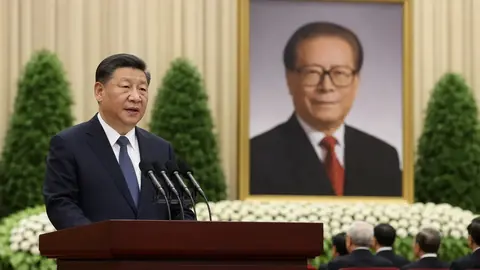
Xi Jinping Commemorates Jiang Zemin's 100th Birth Anniversary in Beijing
 International
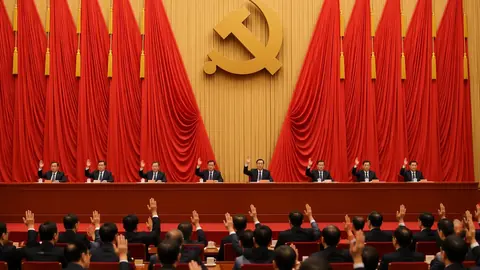
China's Communist Party Sets October Date for Key Leadership Plenary
 International
People's Daily says Long March shows need for strong Communist Party leadership
Most read
- 1
Air China Adds Extra Flight for Passengers Stranded in Fuel-Starved Cuba
- 2
Western disturbance to bring rain, hail and strong winds across north India
- 3
Yogi Adityanath Directs No Occupied Houses Be Demolished for Achhalda Bridge
- 4
Gwalior Temple Truck Crash Kills 12, Injures 28-29 Devotees During Navratri
- 5
Schools Shut in Five Tamil Nadu Districts, Including Chennai, Amid Heavy Rain
Comments
No comments yet. Be the first to comment.