
Thiruvananthapuram zoo to relocate to forest site, drawing from Thrissur project lessons
Expert warns Kerala government to learn from Thrissur zoo relocation successes and challenges as capital's cramped 30-acre facility plans move to forest si

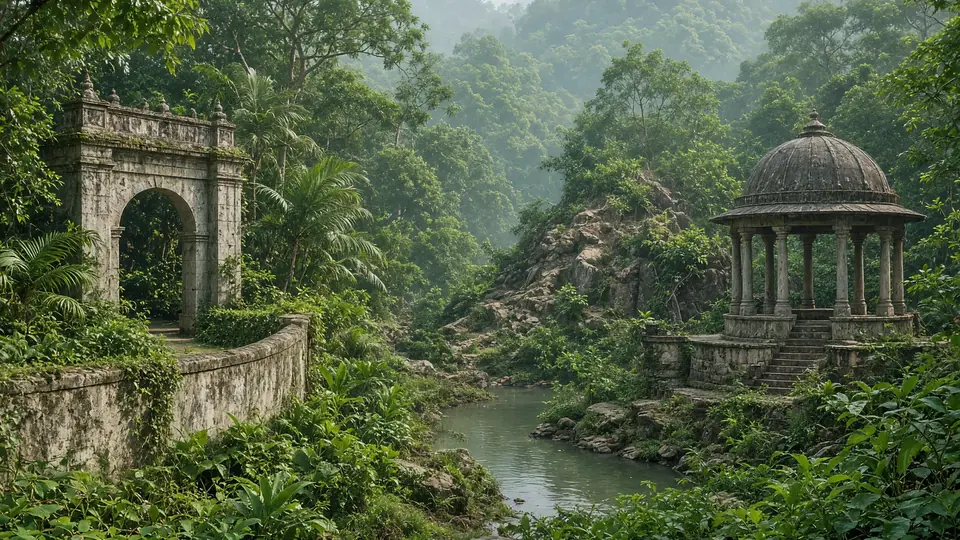
Puthoor zoo offers blueprint for relocation of zoo in Kerala's capital: expert
The former architect of the Thrissur Zoological Park has urged the Kerala government to learn from both the successes and setbacks of that project as it prepares to shift the capital's cramped zoo to a forest-fringe location.
K.J. Varughese, former Principal Chief Conservator of Forests and Special Officer for the Thrissur Zoological Park at Puthoor, said the Thiruvananthapuram facility's acute space crisis, 1,025 animals from 98 species squeezed into just 30 acres, justified Chief Minister V.D. Satheesan's announcement of a relocation plan.
The Chief Minister's concerns over ecosystem constraints and animal welfare arose directly from this mismatch between available space and the animal population being housed, Mr. Varughese explained.
Space crunch undermines modern zoo standards
Recreating a natural habitat within a 30-acre footprint posed significant constraints at a time when global perspectives on zoo management were constantly evolving, Mr. Varughese pointed out in a statement.
By contrast, the Thrissur zoo was moved from a 13-acre site in the heart of Thrissur city to a sprawling 336-acre forest area in Puthoor. The park, designed by world-renowned Australian zoo architect Jon Coe, took eight years to complete and has already attracted over three lakh visitors, drawing significant attention for its layout.
Land acquisition delays: a critical lesson
While the decision to relocate the Thiruvananthapuram zoo remained an administrative matter, certain factors demanded careful consideration, Mr. Varughese cautioned. The Thrissur zoo relocation had been delayed indefinitely owing to land-related issues, an invaluable lesson for any future project, he said.
Globally, zoo safaris were emerging as the new standard, and visitors who had experienced African safaris would certainly expect something similar, he added.
Reserve forests best avoided, estates preferred
The Puthoor park was established with approval from the Union Ministry of Environment and Forest, but it would be best not to consider a reserve forest area from the outset, Mr. Varughese advised. It was also desirable that a zoo and a forest and wildlife ecosystem not be located adjacent to one another; instead, estates near forest areas could be considered, he said.
Around 600 acres of land would be needed for establishing a zoo safari. Land that could be acquired at low cost for this purpose was available near Neyyar-Kottoor, he noted.
Commercial zone essential for financial sustainability
The operation of a zoo could not be sustained solely by visitor fees; a commercial area was also necessary, Mr. Varughese stressed. This would be possible on non-forest land.
Implementing a project that would require an investment of ₹750 crore, including the cost of land acquisition, through the State Budget alone would be impossible, he said. Alternative financial sources must be identified.
Maharashtra was implementing a zoological park as a public-private venture at Gorewada near Pune, and various avenues existed for raising capital for such projects, he pointed out. The history of the Thrissur Zoological Park at Puthoor reflected this reality, Mr. Varughese said.
Source: The Hindu
Frequently asked questions
Why is Thiruvananthapuram zoo being relocated?
The current zoo faces an acute space crisis with 1,025 animals from 98 species squeezed into just 30 acres, which undermines modern zoo standards and animal welfare. The cramped conditions make it impossible to recreate natural habitats effectively.
What lessons does the Thrissur zoo relocation offer?
The Thrissur Zoological Park was successfully moved from a 13-acre city site to a 336-acre forest area in Puthoor, designed by renowned Australian architect Jon Coe. However, the project faced significant land-related delays. It has attracted over three lakh visitors and demonstrates that modern zoos should include safari-style layouts.
What land considerations should be made for the new Thiruvananthapuram zoo?
Reserve forest areas should be avoided. Instead, estates near forest areas are preferable. Around 600 acres of land would be needed for a zoo safari, with suitable low-cost land available near Neyyar-Kottoor. A zoo should not be located adjacent to forest and wildlife ecosystems.
How can a relocated zoo be financially sustainable?
A zoo cannot be sustained by visitor fees alone. A commercial area on non-forest land is essential for financial sustainability. With an estimated investment of ₹750 crore needed, alternative financial sources beyond the State Budget must be identified.
You may also like

Most read
- 1
Tesla audits Chinese suppliers to scale up Optimus robot production
- 2
Former minister Lakhan Singh Rajput to inaugurate temple bhandara at Shri Chakreshwar Mahadev
- 3
Firozabad BSA finds four government schools locked during inspection
- 4
Tamil Nadu dengue cases fall for third consecutive year to 17,049
- 5
Social workers stage silent protest at Fufund railway station for train halts
Comments
No comments yet. Be the first to comment.