
Rashtrapati Bhavan: Exploring India’s Grand Presidential Estate
Perched atop Raisina Hill in the heart of New Delhi, Rashtrapati Bhavan stands as one of India's most recognizable landmarks and the official residence

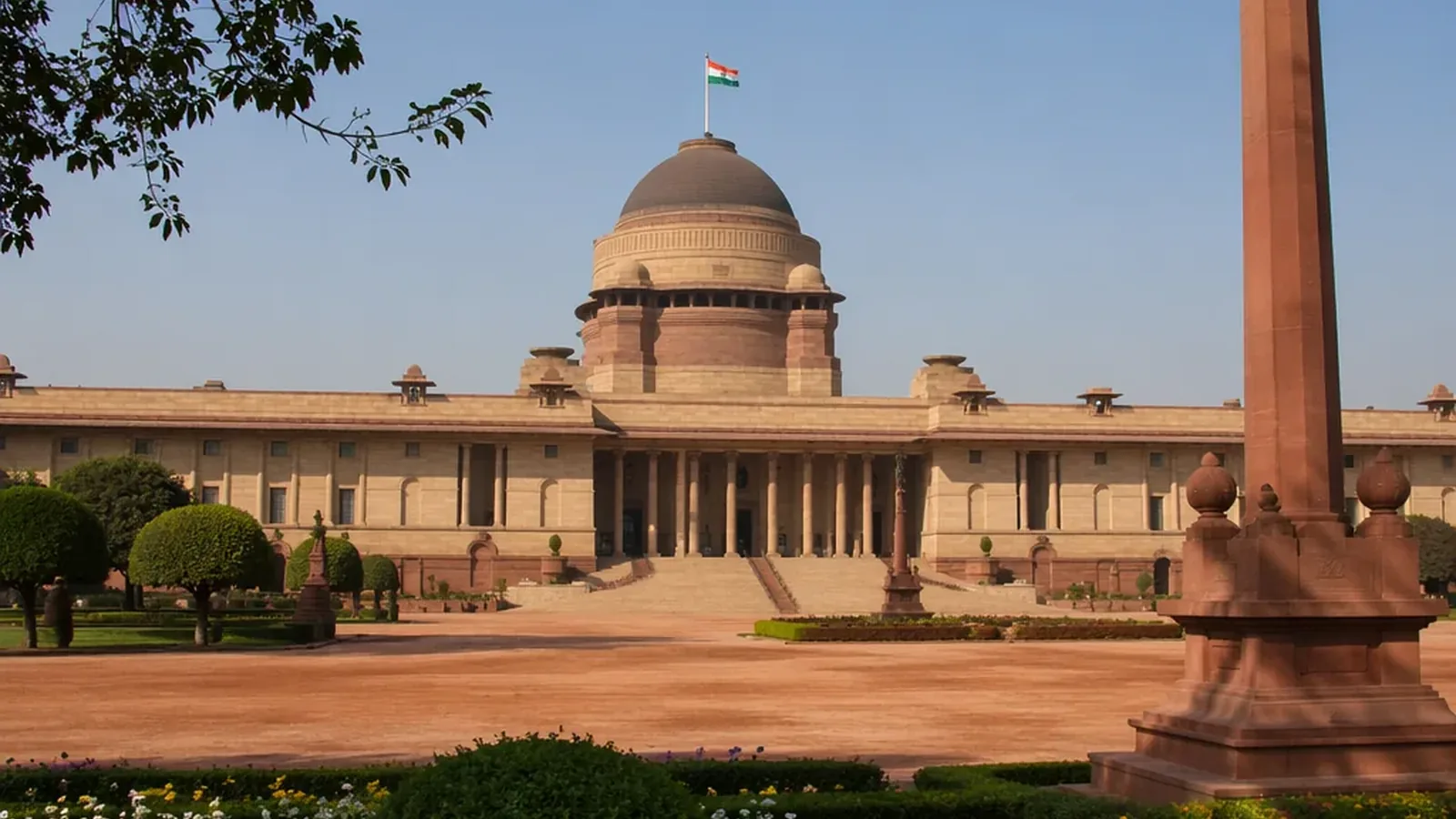
Perched atop Raisina Hill in the heart of New Delhi, Rashtrapati Bhavan stands as one of India's most recognizable landmarks and the official residence of the President of India. Combining architectural magnificence, historical significance, and sprawling gardens, it remains one of the most prestigious presidential residences in the world.
Why Visit Rashtrapati Bhavan?
Originally designed by renowned British architect Sir Edwin Lutyens, Rashtrapati Bhavan was completed in 1929 as the residence of the Viceroy of India during British rule. Following India's independence, it became the official residence of the President.
Spread across nearly 330 acres, the estate is celebrated for its remarkable blend of classical European and traditional Indian architectural styles. Its grand dome, sandstone facades, ornate columns, and beautifully landscaped grounds make it a masterpiece of design and engineering.
One of its biggest attractions is the famous Amrit Udyan (formerly Mughal Gardens), which welcomes visitors during a limited period each year. The estate also houses an impressive museum complex showcasing India's democratic journey, presidential history, and significant national artifacts.
Location and How to Reach
Rashtrapati Bhavan is located at the western end of Kartavya Path in New Delhi, a short distance from India Gate and other major government landmarks.
By Metro
The nearest metro station is Central Secretariat, connected through the Yellow and Violet Lines of the Delhi Metro network. From there, visitors can take an auto-rickshaw, taxi, or enjoy a short walk depending on the weather.
By Road
App-based taxis, auto-rickshaws, and private vehicles can easily access the area through central Delhi's well-connected road network.
Best Time to Visit
The most popular time to visit Rashtrapati Bhavan is during the annual Udyan Utsav, typically held between February and March, when the Amrit Udyan opens to the public.
Guided tours of the estate and museum are available throughout the year, subject to security protocols and availability. Visitors are advised to make advance reservations and verify timings before planning their trip.
Top Attractions Inside Rashtrapati Bhavan
Amrit Udyan
Known for its beautifully maintained lawns, water channels, and seasonal flowers, Amrit Udyan is among the most visited attractions within the presidential estate. Visitors can admire a wide variety of blooms, including roses, tulips, marigolds, and numerous rare plant species.
Rashtrapati Bhavan Museum
The museum offers fascinating insights into India's political evolution, constitutional history, and the lives of the country's Presidents. Exhibits include historical artifacts, gifts received by Presidents, multimedia displays, and interactive galleries.
Guided Circuit Tours
Visitors can choose from various guided tours covering different sections of the estate, including selected areas of the main building, the gardens, and the museum complex.
Visitor Tips
Carry a valid government-issued photo ID for entry.
Arrive early to complete security procedures smoothly.
Wear comfortable footwear, especially if touring the gardens.
Follow photography guidelines, as restrictions may apply in certain areas.
Consider combining your visit with nearby attractions such as India Gate, Kartavya Path, and Vijay Chowk.
What Makes Rashtrapati Bhavan Unique?
Beyond its architectural beauty, Rashtrapati Bhavan symbolizes India's democratic institutions and constitutional governance. Its blend of history, culture, and statecraft offers visitors a unique perspective on the nation's journey from colonial rule to becoming the world's largest democracy.
While access to many parts of the estate remains restricted due to security requirements, the sections open to the public provide a memorable and enriching experience. For history enthusiasts, architecture lovers, and anyone interested in India's governance and heritage, Rashtrapati Bhavan is a destination worth exploring.
Final Thoughts
Rashtrapati Bhavan is far more than a presidential residence, it is a living symbol of India's democratic traditions, architectural excellence, and national identity. Whether you're drawn by its historic significance, stunning gardens, or impressive design, a visit to Rashtrapati Bhavan offers a fascinating glimpse into one of the country's most important landmarks.
Frequently asked questions
What is Rashtrapati Bhavan?
Rashtrapati Bhavan is the official residence of the President of India, located atop Raisina Hill in New Delhi, and is known for its architectural magnificence and historical significance.
Who designed Rashtrapati Bhavan?
Rashtrapati Bhavan was originally designed by British architect Sir Edwin Lutyens and was completed in 1929.
What are the main attractions at Rashtrapati Bhavan?
The main attractions include Amrit Udyan (formerly Mughal Gardens) and the Rashtrapati Bhavan Museum, which showcases India's democratic journey and presidential history.
How can visitors reach Rashtrapati Bhavan?
Visitors can reach Rashtrapati Bhavan by metro, with the nearest station being Central Secretariat, or by road using app-based taxis, auto-rickshaws, or private vehicles.
When is the best time to visit Rashtrapati Bhavan?
The best time to visit is during the annual Udyan Utsav, typically held between February and March, when Amrit Udyan opens to the public.
You may also like
 International
orionids meteor shower 2026: When and how to watch it from India
 Politics
Delhi Police Detain Cockroach Janata Party Founder Before Proposed Connaught Place March
 Uttar Pradesh
Colors for Peace Brings 1,500 Students Together in New Delhi
 Weather
Delhi-NCR May See Six Days Of Rain As Yellow Alert Issued
Most read
- 1
Air China Adds Extra Flight for Passengers Stranded in Fuel-Starved Cuba
- 2
Western disturbance to bring rain, hail and strong winds across north India
- 3
Yogi Adityanath Directs No Occupied Houses Be Demolished for Achhalda Bridge
- 4
Gwalior Temple Truck Crash Kills 12, Injures 28-29 Devotees During Navratri
- 5
Schools Shut in Five Tamil Nadu Districts, Including Chennai, Amid Heavy Rain
Comments
No comments yet. Be the first to comment.