
Maharashtra to Earmark 5% of District Funds to Fight Fodder Shortage
Maharashtra will allocate 5% of district planning funds for fodder production, fodder banks, water-saving crops and cattle camp monitoring.


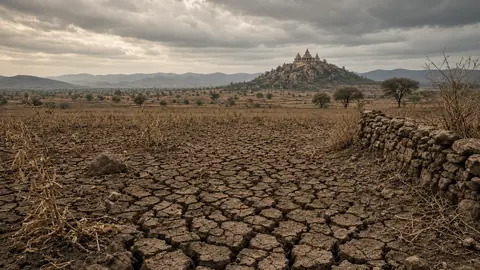
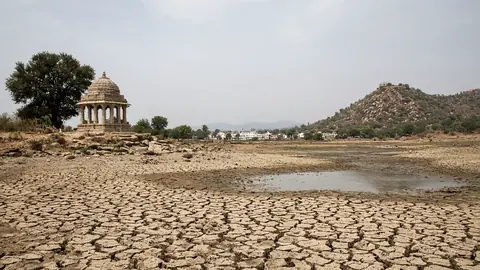
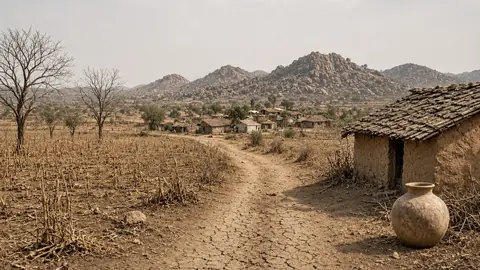
The plan will direct district funds towards fodder production, conservation and tighter monitoring of cattle camps as Maharashtra faces drought-like conditions.
Animal Husbandry Minister Pankaja Munde said the Maharashtra government had decided to earmark at least 5% of District Annual Plan funds for the purpose.
The measures include fodder banks, alternative cultivation methods and digital systems to track the functioning of cattle camps.
The decision follows recommendations made by a study group constituted under the Additional Chief Secretary of the Revenue Department.
Cabinet approval and fodder production
A Cabinet sub-committee headed by Revenue Minister Chandrashekhar Bawankule approved the recommendations on October 27.
The government issued a Government Resolution (GR) on October 30.
Under the plan, fodder seeds will be supplied through Mahabeej and other agencies for the Rabi season.
The government will encourage the cultivation of crops that require less water, including maize, jowar and bajra.
Government-owned agricultural land, grazing grounds and fallow land will also be used for fodder production.
The approach is intended to increase the available fodder supply while conserving resources during the current conditions, rather than depending only on cattle camps.
Fodder banks and support prices
District-level fodder banks will be established with the participation of Farmer Producer Organisations (FPOs), companies and NGOs.
The government has fixed maximum support prices of ₹12 per kg for dry fodder and ₹8 pe₹r kg for silage, excluding transportation costs.
The plan also identifies alternative sources of fodder, including hydroponics, Azolla and thornless cactus cultivation.
A ‘Fodder Literacy Campaign’ will train livestock owners in fodder storage, silage preparation and conservation techniques.
During shortages, the use of fodder for non-feed purposes will be prohibited.
The restrictions will cover packaging, biofuel production and power generation.
District Collectors will oversee restrictions on the transportation of fodder to neighbouring States.
Inter-district supplies will be arranged where necessary.
Digital monitoring of cattle camps
The State will introduce an online ‘Fodder Camp Monitoring and Management System’ to track livestock registration, attendance, fodder distribution, veterinary services and expenditure.
Biometric or QR code-based attendance, livestock verification and round-the-clock CCTV surveillance will be mandatory at cattle camps.
District-level committees headed by Guardian Ministers will oversee camp planning.
Before approving camps, District Collectors will assess local fodder and water availability.
Sugar factories, dairy cooperatives and voluntary organisations will be involved in fodder management.
The government will seek CSR funds for camp facilities.
The Animal Husbandry Department will prepare district-wise fodder balance sheets and submit weekly reports on availability and requirements.
Munde said the government was focusing on increasing production and conserving available fodder instead of relying solely on cattle camps.
She also called for coordinated implementation across departments.
Source: The Hindu
Frequently asked questions
What share of Maharashtra’s District Annual Plan funds will be earmarked for fodder management?
At least 5% of the funds will be earmarked for fodder production, conservation and cattle camp monitoring.
What measures will Maharashtra take to increase fodder supply?
The plan includes fodder banks, low-water crops such as maize, jowar and bajra, alternative sources such as hydroponics and Azolla, and the use of government-owned, grazing and fallow land.
What support prices has the government fixed for fodder?
The maximum support prices are ₹12 per kg for dry fodder and ₹8 per kg for silage, excluding transportation costs.
How will cattle camps be monitored?
An online monitoring system will track livestock registration, attendance, fodder distribution, veterinary services and expenditure. Biometric or QR code attendance, livestock verification and round-the-clock CCTV surveillance will also be mandatory.
You may also like

Most read
- 1
SK Hynix Reports Sixth Straight Record Operating Profit as AI Chip Demand Surges
- 2
Hong Kong Proposes Criminalising Bid-Rigging in Building Maintenance Sector
- 3
American Influencer Marvin Achi Objects After Shivani Kumari Applies Soot To His Face
- 4
Hong Kong Runners Criticise Water Shortages, Tough Course at Inaugural Marathon
- 5
Om Birla Inaugurates Kochi International Book Festival as Event Begins
Comments
No comments yet. Be the first to comment.