
IOA To Elect 10 Athletes’ Commission Members Virtually On November 3
IOA election rules require neutral office-bearers and restrict campaign publicity, spending and criticism of candidates' private lives.

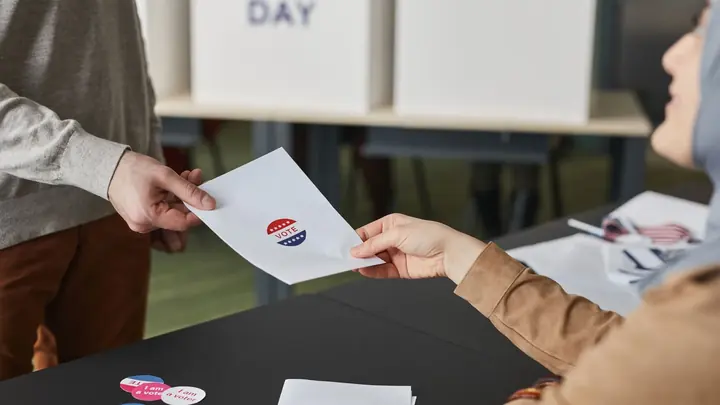
IOA’s election Code of Conduct bars criticism of ‘private life’ of candidates, publicity
The Indian Olympic Association (IOA) will elect 10 members to its Athletes’ Commission on November 3, followed by eight Sportspersons of Merit (SOMs) on November 9, with both elections to be held virtually. Electoral Officer Sanjay Kumar Srivastava will issue separate instructions for the virtual elections later.
The Model Code of Conduct governing the elections requires IOA and National Sports Federation (NSF) office-bearers to remain neutral. For candidates, it sets out restrictions covering campaign publicity, criticism of opponents, expenditure and any benefits offered to voting members.
Who will vote and contest
There are 12 candidates for membership of the Athletes’ Commission, including Olympic medallists P.V. Sindhu and Mirabai Chanu. The electoral college comprises 34 members, with two each from 17 National Sports Federations (NSFs), who will elect five men and five women to the commission.
The selection of the eight SOMs will be from among 80 SOMs, 40 men and 40 women, notified by the Electoral Officer. Four men and four women will be elected, with incumbent IOA President P.T. Usha among the legendary figures of Indian sports in the fray.
The two elections thus have separately specified pools and gender allocations: the Athletes’ Commission contest has 12 candidates for 10 places, while eight SOMs will be chosen from the notified group of 80.
Criticism limited to public record
The code draws a distinction between criticism of candidates’ public work and comments about their private lives.
“A candidate shall not produce any spoken word, written text or representation of any nature likely to harm the image of another candidate or cause him prejudice, and criticism of other candidates, if made, shall be confined to their policies and programme, past record and work,” one provision states.
It further directs: “NSF and candidates shall refrain from criticism of all aspects of private life, not connected with the public activities of the athletes.”
Unverified allegations and distortion are also prohibited: “No candidate shall engage in criticism based on unverified allegations or distortion against any other candidate, and there shall be no appeal to caste or communal feelings for securing votes.”
Publicity barred, written plans permitted
The publicity restriction extends to digital platforms as well as gatherings organised to promote candidates.
“The promotion of a candidate shall exclude any form of publicity, including the use of new media or social networks, and no public meeting or gathering of any kind may be organised in the process of promoting a candidature.”
Candidates may nevertheless communicate their plans through a written document published by the Electoral Officer. The provision says: “Every candidate may present to the members in the electoral roll, his plans and views for the elected post, in the form of a written document, which shall be published by the Electoral Officer...”
Conduct, spending and voter safeguards
The code requires fair campaigns conducted in a spirit of respect for fundamental ethical principles. “Candidates shall conduct all campaigns with dignity and moderation and with respect for any other candidates, the National Sports Body and its members.”
“No NSF or candidate shall include in any activity which may aggravate existing differences or create mutual hatred or cause tension between different castes and communities, religious or linguistic.”
Candidates must also “scrupulously avoid all activities that are 'corrupt practices', including bribing of voters, intimidation of voters, impersonation of voters”.
On spending and benefits to voters, the code states: “Candidates shall avoid excessive expenditure in campaigning, recognising that it could become a factor of inequality amongst the candidates. Candidates may, in no case and under no pretext, give presents, offer donations, gifts or grant advantages of whatever nature, directly or indirectly, to voting members.”
Published - November 01, 2026 03:45 am IST
Source: The Hindu
Frequently asked questions
When will the IOA hold its Athletes’ Commission and Sportspersons of Merit elections?
The IOA will elect 10 Athletes’ Commission members on November 3 and eight Sportspersons of Merit on November 9. Both elections will be held virtually.
Who will vote in the Athletes’ Commission election?
The electoral college consists of 34 members, two each from 17 National Sports Federations. They will elect five men and five women from 12 candidates, including P.V. Sindhu and Mirabai Chanu.
How many Sportspersons of Merit will be elected?
Four men and four women will be elected from a notified group of 80 Sportspersons of Merit, comprising 40 men and 40 women. Incumbent IOA President P.T. Usha is among the candidates.
What restrictions apply to criticism of other candidates?
Criticism must be confined to candidates’ policies, programmes, past records and work. The code prohibits criticism of private life unrelated to public activities, unverified allegations, distortion and appeals to caste or communal feelings.
Can candidates use social media or public meetings to campaign?
No. The code bars campaign publicity, including new media, social networks and public meetings or gatherings promoting a candidate. Candidates may present their plans and views through a written document published by the Electoral Officer.
You may also like
 Politics
Hamirpur Begins Home Checks to Verify Urban Housing Scheme Beneficiaries
 Politics
Rahul Gandhi Hoarding Sparks Political Buzz in Amethi Ahead of 2027 Polls
 Politics
10-Time MLA Gopal Bhargava Left Out Of Cabinet, Anger Among Some Brahmins
 Politics
Former Agriculture MoS Lakhan Singh Rajput Leaves Dibiyapur For Kanpur With Convoy
Most read
- 1
SK Hynix Reports Sixth Straight Record Operating Profit as AI Chip Demand Surges
- 2
Hong Kong Proposes Criminalising Bid-Rigging in Building Maintenance Sector
- 3
American Influencer Marvin Achi Objects After Shivani Kumari Applies Soot To His Face
- 4
Hong Kong Runners Criticise Water Shortages, Tough Course at Inaugural Marathon
- 5
Om Birla Inaugurates Kochi International Book Festival as Event Begins
Comments
No comments yet. Be the first to comment.