
District Inspector Says Even Honest Police Can Satisfy Only Half in Disputes
An inspector posted in the district has written about the pain of policing in a note titled “पुलिसिंग की सच्चाई, खामोश कर्तव्य”, or “The truth of policing, silent duty”.

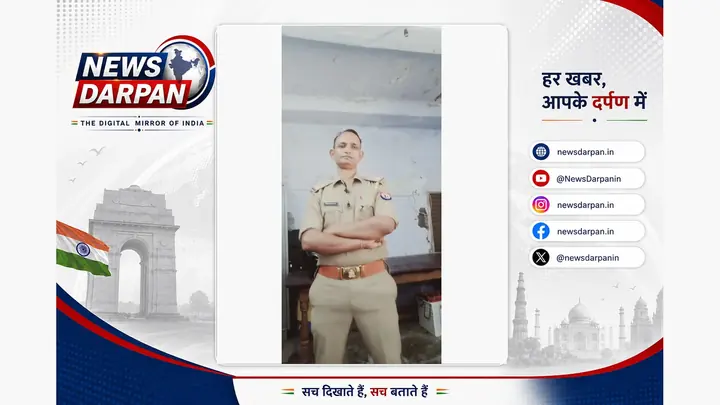
An inspector posted in the district has written about the pain of policing in a note titled “पुलिसिंग की सच्चाई, खामोश कर्तव्य”, or “The truth of policing, silent duty”.
The inspector says policing has never been easy. He asks readers to imagine a police station where the entire staff is working with complete honesty and dedication. Even in such a situation, he asks, would everyone be satisfied?
According to the note, every dispute has two sides. Even if the police act with complete sincerity, they can satisfy only fifty percent of the people involved. The remaining fifty percent will continue to make allegations, regardless of what the truth is. They may say, “पुलिस ने पैसे खा लिए”, meaning that the police took money, “विपक्षी से मिल गई”, meaning that the police joined hands with the opposing side, or “ऊपर से दबाव है”, meaning that there is pressure from above.
The inspector writes that the side at fault generally does not accept its mistake. Instead, that side puts the blame on the police. At the same time, he acknowledges that the police sometimes make some of the satisfied people unhappy as well because of their behaviour or haste in dealing with a matter.
He says complaints are fewer in serious cases such as murder, robbery or rape because the truth and the evidence are usually clear in such matters. The greatest dissatisfaction, he says, is seen in land disputes, where the police have limited powers.
In land-related matters, the police can maintain the existing situation and ensure law and order. They cannot “कब्ज़ा दिला”, or hand over possession of land, to anyone. One side wants the police to support its claim, while the other wants to retain its possession. In such a situation, no impartial decision can make both sides happy.
The inspector says a similar situation arises when people demand that a case be registered. The person against whom the complaint has been written says that the police have joined hands with the other side and registered a false case against them. If the case is not registered, the other side says that the police have sided with the accused, taken money and therefore refused to register the case.
He describes this as the biggest difference between the police and other departments. People go to an electricity department, a bank or a hospital with a problem and expect a solution. But every problem brought to the police has another side as well, and that second side is at the centre of the dispute.
For this reason, the inspector says, one side will remain dissatisfied and make different allegations against the police, no matter how honestly the matter is handled. He also writes that the arrival of social media has changed the way people raise even small complaints.
According to the note, people now try to report every small problem to the CUG number of an IPS-level officer, even when the issue could be resolved at the chowki or police station level. They make such calls during the day or even at 02:00 at night.
The inspector accepts that the police department has shortcomings, and says there are many of them. At the same time, he says action in the department is also among the quickest. PE(प्रारंभिक जाँच), BED INTERY, line attendance, suspension or transfer can happen in the police department as quickly as such action may happen in hardly any other department. In serious cases, a case is even registered against police personnel.
The note also addresses complaints about police behaviour. The inspector says people should consider the circumstances in which a police personnel works. During festivals, when people are celebrating holidays with their families, police personnel remain standing on the roads.
They stay awake through the night in severe cold. They stand on the roads in the scorching heat. They continue patrolling in the rain while getting wet. This is described as part of their daily routine.
Along with this, the police must continue crime control, the arrest of criminals, the detection of incidents, investigation of cases, court-related work and the examination of countless applications. VIP duty, festivals and processions also continue without a break.
The inspector says long working hours, fewer holidays, the inability to get leave when needed and distance from the family can lead to irritability or fatigue among police personnel. He says these conditions should not automatically be viewed as a lack of sensitivity.
He calls it the biggest irony that even after so much hard work, sacrifice and continuous duty, society and the media do not give police personnel the respect they deserve. Constant criticism, distrust after every incident and negativity have become their permanent company, he writes.
The mistake of one police personnel becomes an allegation against the entire department. At the same time, the work, public service and sacrifice of thousands of honest personnel often remain unnoticed.
The inspector says the people who remain on the roads day and night also face the greatest number of questions. Yet, he adds, people forget that the police do not come from a separate society. There is no hereditary tradition in the department. Police personnel are ordinary people like everyone else, coming from the same society and wearing the “खाकी”, or khaki uniform.
Despite all of this, the inspector says, police personnel do not complain. They understand that khaki is not merely a uniform but a vow. It is the thread of society’s security, one that remains firm even amid criticism.
The note concludes that maintaining balance between faith in duty and criticism remains a challenge. It ends with the words identifying its writer as “your inspector Jo P Sharma, Auraiya”.
Frequently asked questions
Why can honest police officers satisfy only half the people in a dispute?
Every dispute has two sides, so even sincere police action can satisfy only one side while the other continues to make allegations.
Why do land disputes cause the greatest dissatisfaction with the police?
The police can maintain the existing situation and preserve law and order, but they cannot hand over possession of land to either side.
Why do people accuse the police whether or not a case is registered?
If a case is registered, the accused may call it false and allege police collusion. If it is not registered, the complainant may accuse the police of siding with the accused or taking money.
In which serious cases are complaints against the police fewer?
Complaints are fewer in cases such as murder, robbery and rape because the truth and evidence are usually clearer.
You may also like
 National
Hathras DM Directs Officials to Verify Complaints On Spot, Ensure Timely Resolution
 Crime
Gwalior Police Seize 600 Kg Calcium Carbide, Arrest Warehouse Operator
 Crime
One Injured, One Arrested After Gunfire Following Altercation In Patna City
 National
Morena Police Block Two Routes Allegedly Used for Illegal Sand Transport
Most read
- 1
Xi Orders Urgent Rescue Efforts After Tibet Earthquake Kills 16, Injures 54
- 2
Schools Shut in Five Tamil Nadu Districts, Including Chennai, Amid Heavy Rain
- 3
Hong Kong Insurance Authority Tightens Premium Financing Oversight as Risks Emerge
- 4
Madanpur Masters Beat Firozabad Fighters by Two Runs in T-10 Opener
- 5
eMudhra Certificate: 8 weak certificates raise Internet Security concerns as browsers act
Comments
No comments yet. Be the first to comment.