
Delhi Police opposes bail for Umar Khalid and Sharjeel Imam in riots case
Delhi Police has opposed the bail petitions of Umar Khalid and Sharjeel Imam in the Delhi High Court, arguing that their release could affect the ongoing trial in the Delhi riots conspiracy case.

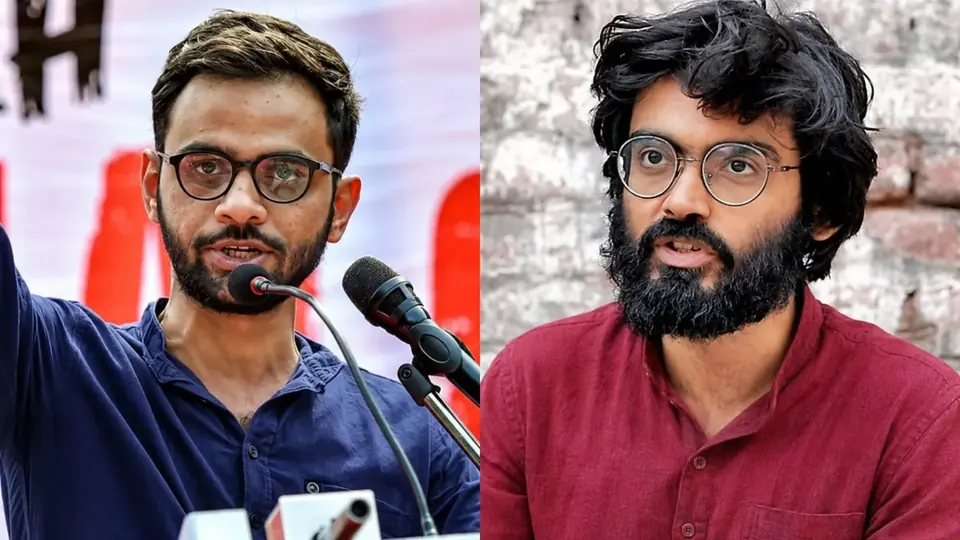
Delhi Police has opposed the bail petitions of Umar Khalid and Sharjeel Imam in the Delhi High Court, arguing that their release could affect the ongoing trial in the Delhi riots conspiracy case. The police have described both accused as key witnesses in the matter and warned that their release at this stage could influence other witnesses yet to depose before the court.
In its response filed before the High Court, Delhi Police stated that there are sufficient charges against Umar Khalid and Sharjeel Imam linking them to the alleged conspiracy to incite riots. The case against both has been registered under the Unlawful Activities Prevention Act and relevant sections of the Indian Penal Code. The police emphasized that the trial is still underway and several witnesses are yet to record their statements.
The prosecution argued that the evidence collection and witness examination process remains incomplete, and releasing the accused could jeopardize the integrity of the proceedings. Police counsel told the court that both Khalid and Imam are connected to crucial witness testimonies and other evidence in the case, making their continued custody necessary for a fair trial.
Delhi Police also cited Supreme Court precedents on bail jurisprudence in its submission, particularly the stringent legal tests applicable in cases registered under the UAPA. The police reminded the court that in such matters, bail can only be granted if the charges do not appear to be prima facie true. The prosecution has urged the High Court to reject both bail applications, maintaining that premature release could compromise the case.
Both Umar Khalid and Sharjeel Imam have been in judicial custody for an extended period and have approached the court seeking bail. The case stems from the February 2020 riots in northeast Delhi, where police alleged a larger conspiracy. No final judicial conclusion on the charges has been reached yet.
Frequently asked questions
Why has Delhi Police opposed bail for Umar Khalid and Sharjeel Imam?
Delhi Police argued that releasing them could affect the ongoing trial and influence other witnesses yet to depose. The police stated that both are key witnesses in the matter and that evidence collection and witness examination remains incomplete.
What charges have been filed against Umar Khalid and Sharjeel Imam?
Both have been charged under the Unlawful Activities Prevention Act (UAPA) and relevant sections of the Indian Penal Code in connection with an alleged conspiracy to incite riots in the Delhi riots conspiracy case.
What legal standard applies to bail in UAPA cases?
According to Delhi Police's submission citing Supreme Court precedents, bail in UAPA cases can only be granted if the charges do not appear to be prima facie true, which is a stringent legal test.
How long have Umar Khalid and Sharjeel Imam been in custody?
Both have been in judicial custody for an extended period and have approached the Delhi High Court seeking bail. The case stems from the February 2020 riots in northeast Delhi.
You may also like

Most read
- 1
Tesla audits Chinese suppliers to scale up Optimus robot production
- 2
Former minister Lakhan Singh Rajput to inaugurate temple bhandara at Shri Chakreshwar Mahadev
- 3
Firozabad BSA finds four government schools locked during inspection
- 4
Tamil Nadu dengue cases fall for third consecutive year to 17,049
- 5
Social workers stage silent protest at Fufund railway station for train halts
Comments
No comments yet. Be the first to comment.