
Yashoda Medicity completes one year, highlights cancer care, complex transplants and public health initiatives
With a planned capacity of more than 1,200 beds, Yashoda Medicity says it will expand specialised care, strengthen public health partnerships and improve access in its second year.

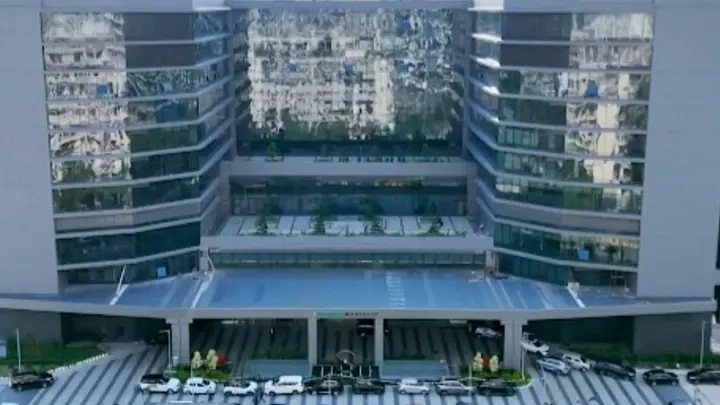
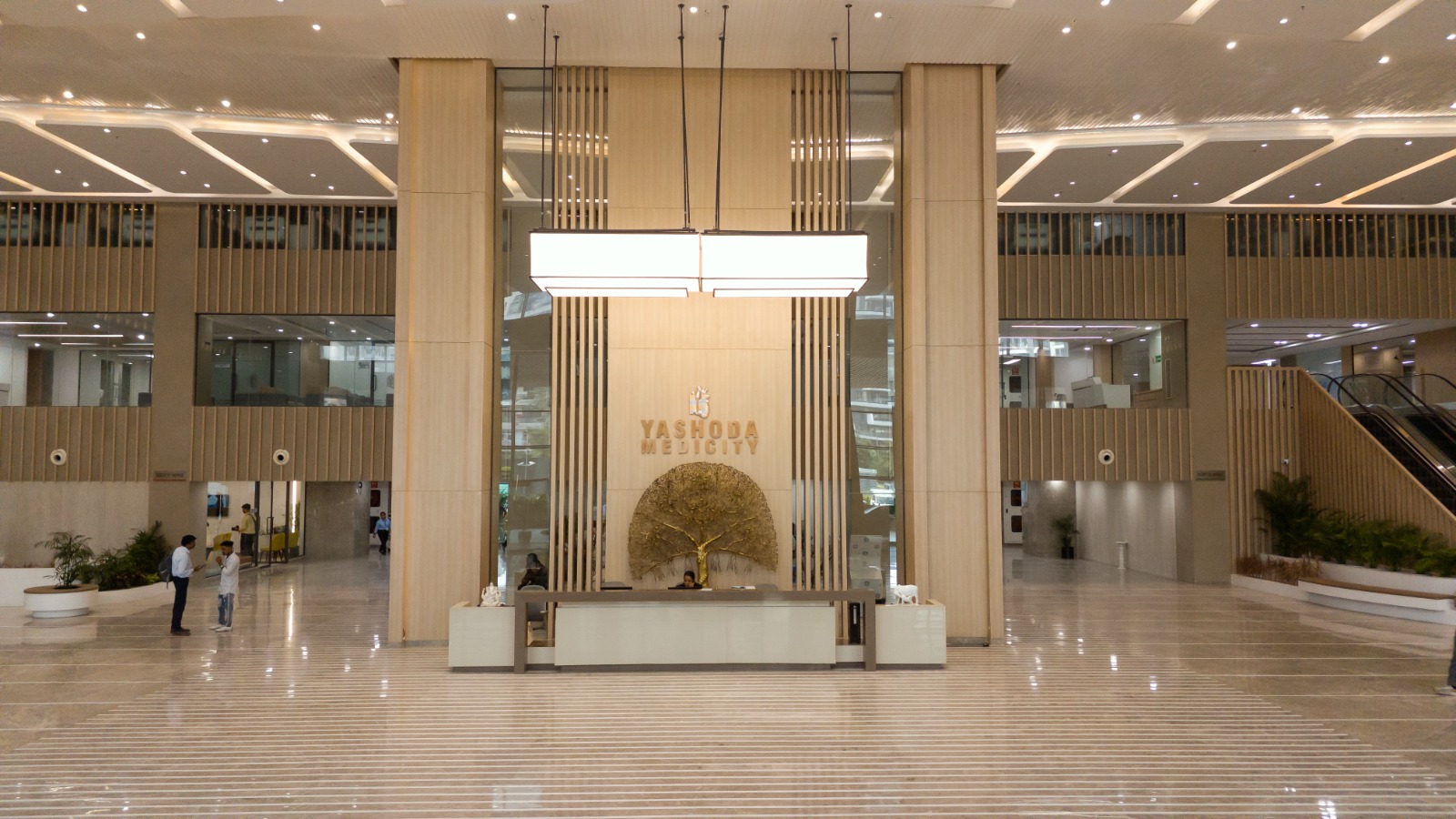
Ghaziabad, October 26, 2026: From taking technology-enabled critical care support to a government hospital to launching specialised services for thalassaemia patients and strengthening emergency response, Yashoda Medicity has completed its first year with a focus on building clinical capacity and improving access to specialised healthcare. According to information released by the hospital, President Droupadi Murmu inaugurated the facility on October 26, 2025. Defence Minister Rajnath Singh, Uttar Pradesh Chief Minister Yogi Adityanath, Union Minister of State for Health and Family Welfare Anupriya Patel, and Uttar Pradesh Deputy Chief Minister and Medical Education Minister Brajesh Pathak attended the event. Yashoda Medicity carries forward more than 35 years of experience of the Yashoda Group of Hospitals.
The hospital said its first year included initiatives in advanced treatment, public health collaboration and emergency preparedness. In February 2026, Union Health Minister J.P. Nadda inaugurated its AI-enabled E-ICU command centre. Started in partnership with MMG District Hospital, the initiative is intended to improve critical care in the public health system through centralised monitoring and specialist oversight. The hospital said the system can help clinical teams monitor critically ill patients and respond quickly to changes in their condition.
Thalassaemia care centre and specialised services
A dedicated thalassaemia care centre was established in May 2026 to provide multiple services under one roof for people living with the inherited blood disorder. The centre offers specialist consultations, blood transfusions, iron chelation therapy, genetic counselling and evaluation for bone marrow transplantation. It also provides carrier screening, antenatal testing and counselling to support early detection and informed reproductive decisions.
Figures released by Yashoda Medicity state that more than 120,000 patients received inpatient care or outpatient consultations during the first year. The hospital reported more than 4,235 surgeries, including liver and kidney transplants, and treatment of over 3,000 international patients. It also said the Yashoda Institute of Cancer Care treated more than 8,000 patients during the period.
Yashoda Group of Hospitals chairman and managing director Dr P. N. Arora said, "Yashoda Medicity's first year has been about laying a strong foundation for advanced and comprehensive healthcare. Clinical capabilities, modern infrastructure and specialised expertise have been present from the beginning. As we enter our second year, our focus is on strengthening this foundation, expanding access to advanced treatment, developing our specialised services further and ensuring that more patients can receive quality healthcare closer to home."
The hospital said it has strengthened its ability to treat complex conditions across neurosciences, organ transplantation, oncology, cardiac sciences and critical care. Its multidisciplinary model combines specialist expertise, advanced surgical procedures and precision cancer treatment. The hospital has also received NABH accreditation.
Cardiac emergency training for gyms and fitness centres
To improve emergency response outside the hospital, Yashoda Medicity launched an initiative titled 'Rep Se Rescue Tak: Train Hard, Respond Faster' on World Heart Day in September 2026. The programme aims to strengthen preparedness for cardiac emergencies in gyms and fitness centres across Delhi NCR. It brought together cardiologists, emergency medicine specialists, fitness professionals and fitness influencers.
Under the Yashoda Certified Gym and Trainer Initiative, more than 70 fitness professionals completed training in recognising cardiac arrest, calling emergency medical support and starting cardiopulmonary resuscitation. Live demonstrations and practical simulations were used to help participants practise the steps required until professional medical assistance arrives.
Yashoda Group of Hospitals managing director Dr Upasana Arora said, "The true measure of a hospital's progress is the impact it has on people's health. By improving access to specialised treatment, strengthening the public healthcare system and helping with early intervention, our goal is to address gaps in healthcare. Our focus is on prioritising patients' needs, building strong healthcare partnerships and ensuring that more people receive timely, good-quality treatment close to home."
Trauma first response training for nearly 100 participants
In October 2026, the hospital extended its emergency response work to trauma management. In collaboration with the Indian Society for Trauma and Acute Care, it trained nearly 100 participants in trauma first response. Police personnel, frontline responders and community members took part. The programme covered scene safety, airway management, bleeding control, safe patient transport and emergency rescue, with the aim of equipping participants to act during the critical period before a patient reaches hospital.
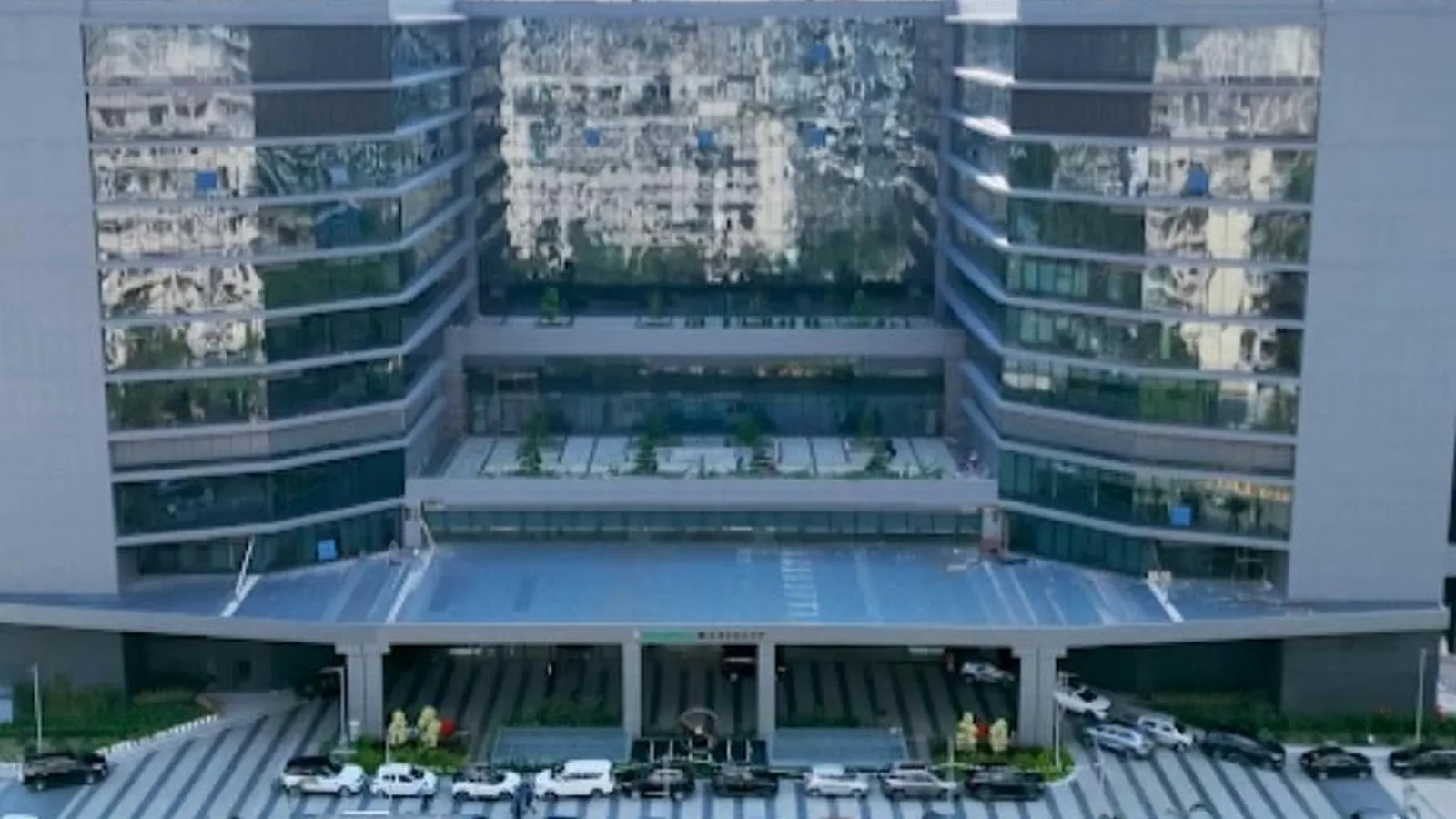
Planned capacity of more than 1,200 beds
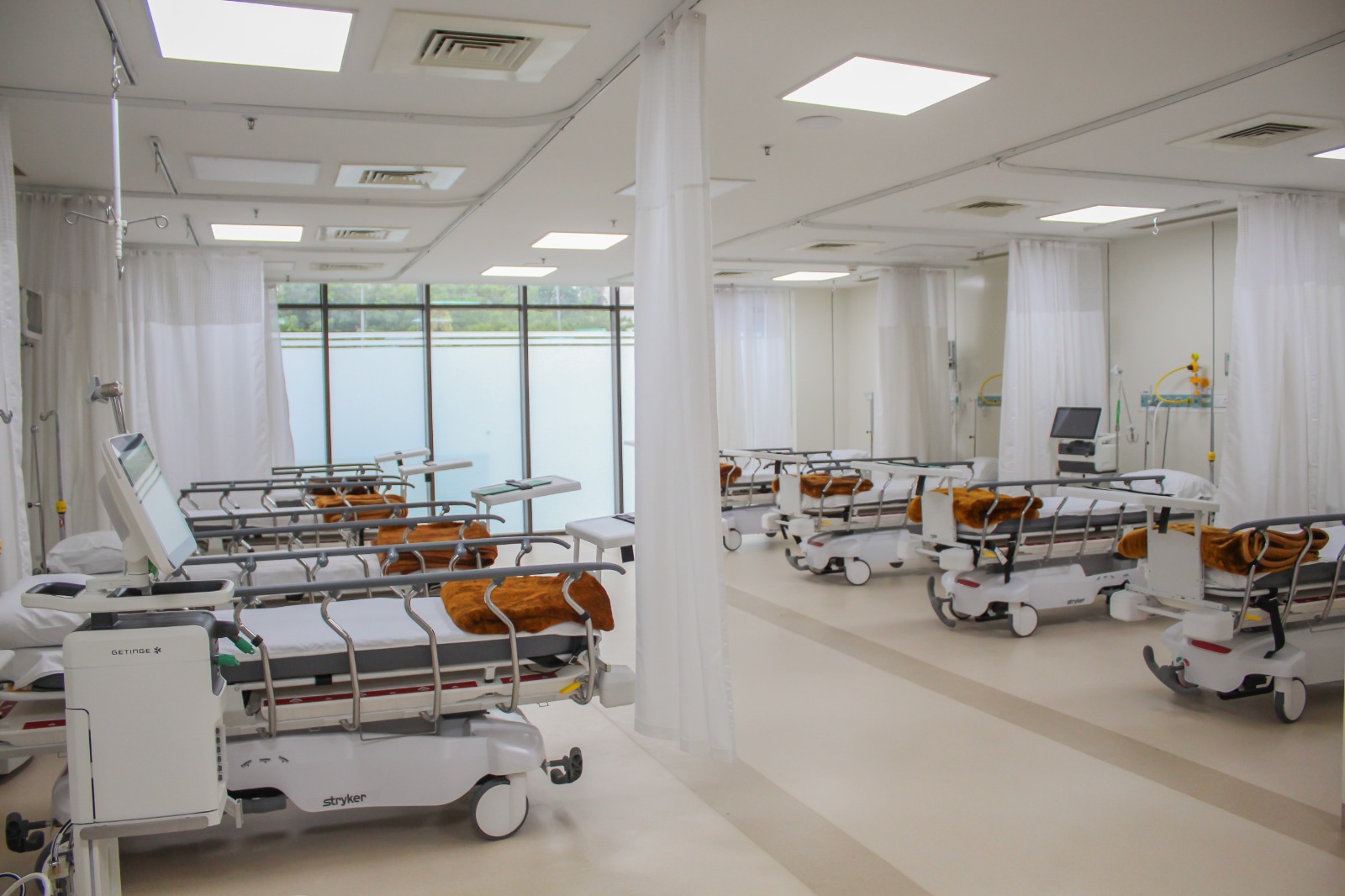
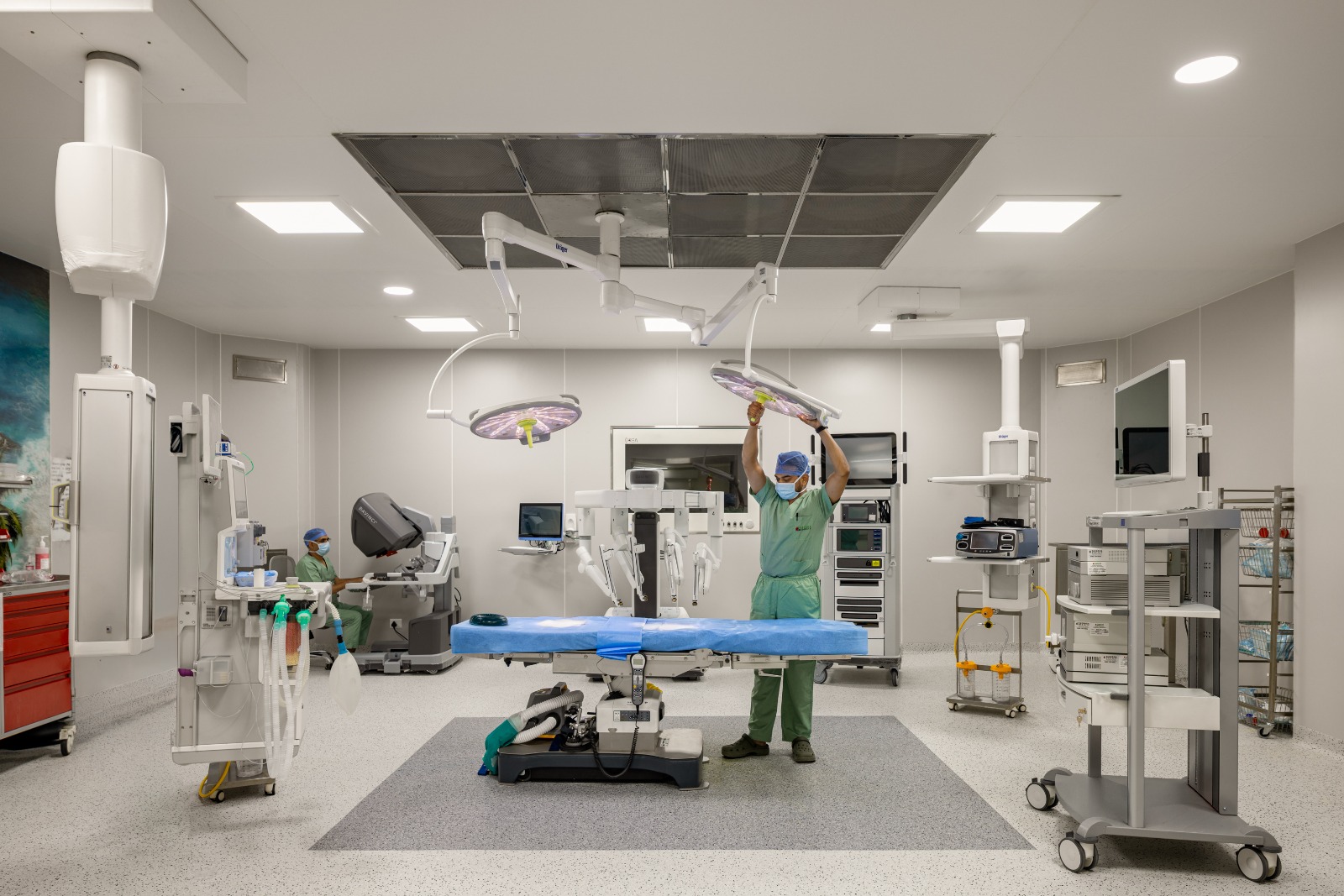
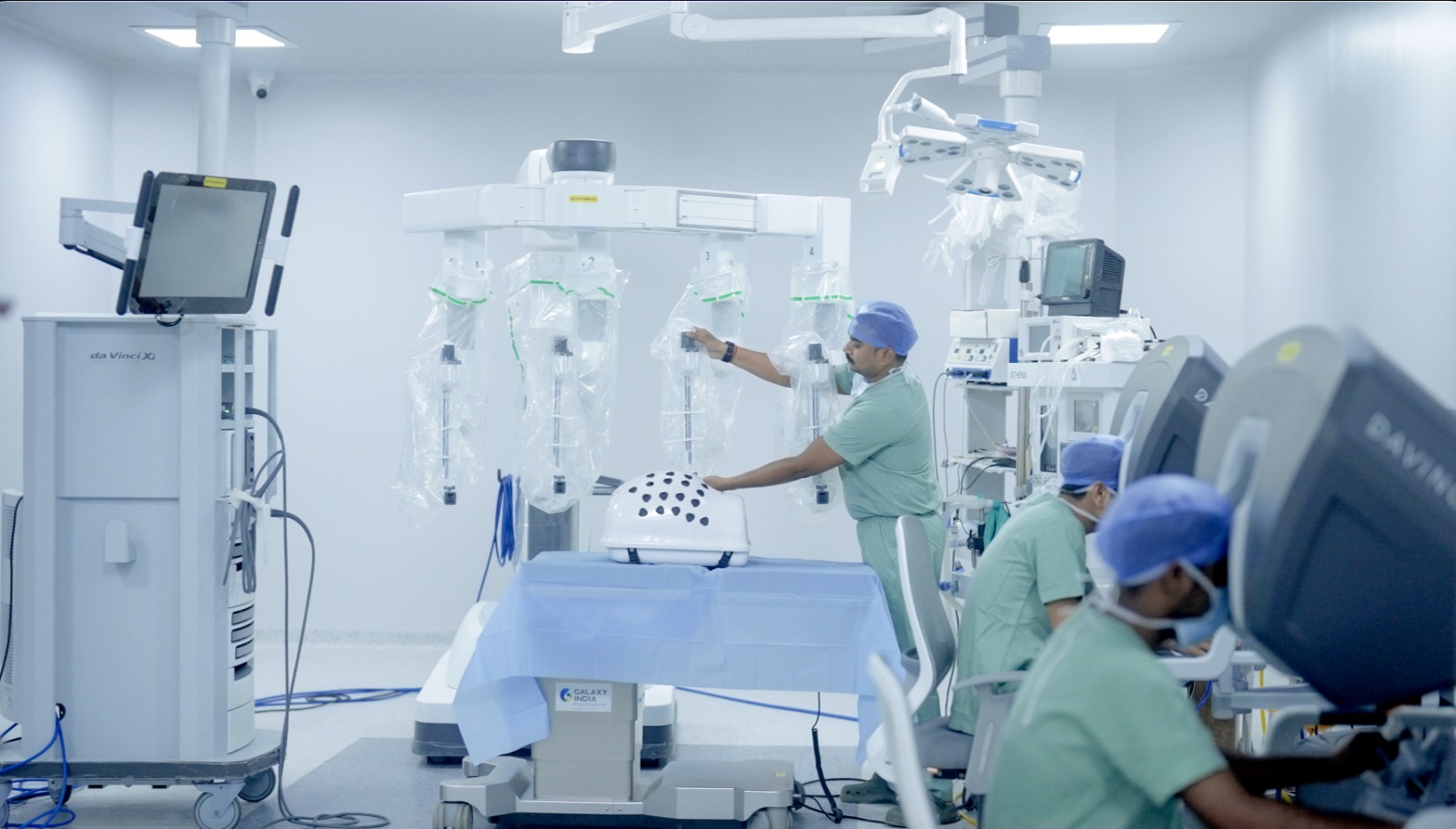
Yashoda Medicity has a planned capacity of more than 1,200 beds, over 252 modular ICU beds, 22 modular operating theatres and more than 10 endoscopy suites. Its clinical portfolio includes over 65 super-specialities and 12 centres of excellence, covering robotic surgery, cardiology, specialised diagnostics and advanced cancer treatment.
According to the hospital, its cancer care programme is supported by technologies including Elekta Unity MR-Linac, ETHOS therapy with HyperSight and IDENTIFY, EDGE with HyperArc and ExacTrac Dynamic, and BRAVOS. These systems are used for precision radiation delivery, adaptive treatment and radiosurgery.
As it enters its second year, Yashoda Medicity said it will focus on improving the clinical capabilities established so far, developing specialised services and strengthening access to advanced treatment. The hospital plans to use its infrastructure, public health partnerships and emergency care preparedness to serve patients across Ghaziabad, Uttar Pradesh and the wider National Capital Region, while continuing to support international patients seeking specialised medical care in India.
Frequently asked questions
When was Yashoda Medicity inaugurated?
President Droupadi Murmu inaugurated Yashoda Medicity on October 26, 2025.
What is the AI-enabled E-ICU command centre?
Inaugurated in February 2026, the E-ICU command centre was launched with MMG District Hospital to support critical care through centralised monitoring and specialist oversight.
What services does Yashoda Medicity’s thalassaemia care centre provide?
The centre offers specialist consultations, blood transfusions, iron chelation therapy, genetic counselling, bone marrow transplant evaluation, carrier screening and antenatal testing.
How many patients did Yashoda Medicity treat in its first year?
The hospital reported more than 120,000 inpatient and outpatient patients, over 4,235 surgeries, more than 3,000 international patients and over 8,000 patients treated at its cancer institute.
You may also like
 Kerala
Kozhikode Organ Transplant Institute to Be Completed in 30 Months: Satheesan
 Politics
Blood donation drive held at Ghaziabad hospital on PM Modi's birthday
 Health
District magistrate inspects swine flu ward, hospital expansion at MMG Ghaziabad
 Uttar Pradesh
Dr. Ashish Gautam celebrates birthday as Raksha Bandhan brings special joy to clinic
Most read
- 1
Xi Orders Urgent Rescue Efforts After Tibet Earthquake Kills 16, Injures 54
- 2
Schools Shut in Five Tamil Nadu Districts, Including Chennai, Amid Heavy Rain
- 3
Hong Kong Insurance Authority Tightens Premium Financing Oversight as Risks Emerge
- 4
Madanpur Masters Beat Firozabad Fighters by Two Runs in T-10 Opener
- 5
eMudhra Certificate: 8 weak certificates raise Internet Security concerns as browsers act
Comments
No comments yet. Be the first to comment.