
Tadoba Tiger Reserve Tests Sensor System to Prevent Waterhole Overflow
Tadoba tiger reserve is testing sensors that automatically control pumps, reduce water wastage and limit groundwater extraction at wildlife waterholes.

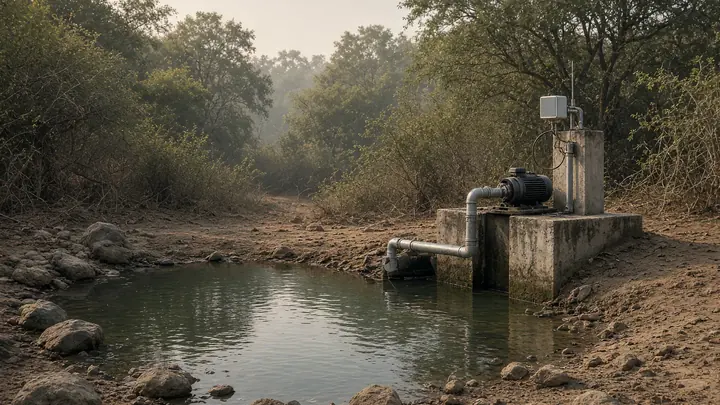
A sensor-based device is being tested at the Tadoba-Andhari Tiger Reserve (TATR) in Maharashtra’s Chandrapur district to regulate water levels at wildlife waterholes and reduce water wastage, officials said.
The pilot system automatically starts and stops pumps according to the amount of water in a waterhole.
TATR Field Director Dr. Prabhu Nath Shukla described the initiative as a first-of-its-kind effort in wildlife waterhole management.
Pumps to switch off after waterholes fill
The system activates a pump when the water level falls below a predefined limit and switches it off when the water reaches the upper level, Dr. Shukla said.
This is intended to prevent overflow and avoid unnecessary pumping.
The details were issued in a release on Wednesday (October 21, 2026).
The initiative comes amid drought conditions and uncertainty over future water availability, making efficient management of water resources increasingly important for the reserve.
TATR has around 130 natural water sources and 350 artificial waterholes, many of which receive water through solar-powered pumping systems.
The release said no water tankers were needed to refill these waterholes during last summer’s intense heat.
However, solar-powered pumps often continue running even after the waterholes are full, causing water to overflow.
Some of the excess water serves as wallowing spots for wild animals, but continued pumping can still result in water loss.
Manually switching off the pumps is risky for staff and does not offer an efficient solution, according to the reserve.
System designed to reduce manual monitoring
Dr. Shukla said the sensor-based system would reduce water loss, limit unnecessary groundwater extraction and minimise the need for continuous human monitoring.
The device consists of a level sensor, a controller and a relay connected to the pump.
It functions automatically, helping maintain water availability while reducing manual intervention, he added.
“TATR is presenting the system as a first-of-its-kind sensor-based approach to wildlife waterhole management. Its wider use could strengthen water conservation, help the management in providing water availability to the wildlife even during drought conditions, and also aid groundwater conservation,” said Mr. Shukla.
The system is therefore being presented as a way to manage both the supply of water to wildlife and the reserve’s groundwater resources during periods when water availability is uncertain.
Waterholes planned across reserve grids
TATR is also working to improve the distribution of water sources across the reserve.
The reserve has divided its core area into grids and plans to provide waterholes in each grid.
The exercise is aimed at ensuring equitable access to water for wildlife across the reserve.
The release said the work is expected to be completed this year.
Published - October 22, 2026 12:13 pm IST.
Source: The Hindu
Frequently asked questions
What is Tadoba-Andhari Tiger Reserve testing?
It is testing a sensor-based system to regulate water levels in wildlife waterholes and reduce water wastage.
How does the waterhole sensor system work?
It starts a pump when the water level falls below a predefined limit and switches it off when the water reaches the upper level.
Why is the system being introduced?
It is intended to prevent overflow, reduce unnecessary pumping and groundwater extraction, and limit the need for continuous human monitoring.
How many water sources and artificial waterholes does TATR have?
TATR has around 130 natural water sources and 350 artificial waterholes.
What other water-management work is planned at TATR?
The reserve plans to provide waterholes in each grid of its core area to ensure equitable access to water for wildlife.
You may also like
 Agriculture
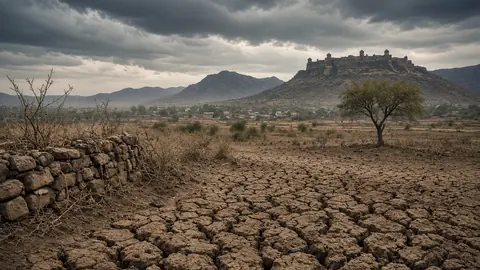
Maharashtra Declares 40 More Talukas Drought-Hit, Announces ₹5,000 Farmer Aid
 Politics
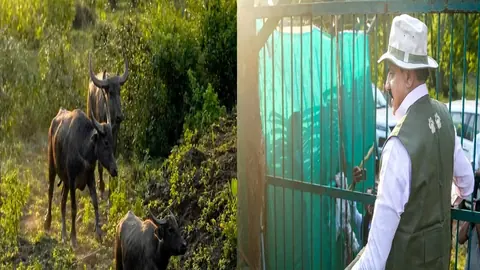
Eight wild buffaloes return to Kanha after nearly a century
 Madhya Pradesh
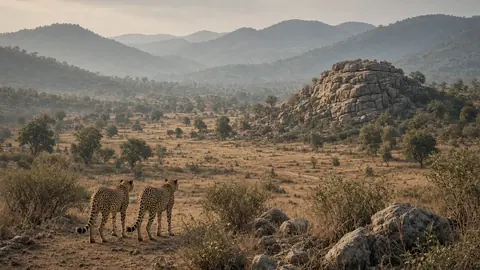
 Releases Two Cheetahs in State’s Third Habitat
 Maharashtra
 Cabinet Approves Higher Allowance for SC, ST Students
Most read
- 1
Xi Orders Urgent Rescue Efforts After Tibet Earthquake Kills 16, Injures 54
- 2
Schools Shut in Five Tamil Nadu Districts, Including Chennai, Amid Heavy Rain
- 3
Hong Kong Insurance Authority Tightens Premium Financing Oversight as Risks Emerge
- 4
Madanpur Masters Beat Firozabad Fighters by Two Runs in T-10 Opener
- 5
eMudhra Certificate: 8 weak certificates raise Internet Security concerns as browsers act
Comments
No comments yet. Be the first to comment.