
Surendra Koli, acquitted in Nithari killings, dies by suicide in Haridwar
Surendra Koli, the prime accused in the infamous Nithari killings case, died by suicide in Haridwar, Uttarakhand, by hanging himself at a roadside tea stall where he had been working.
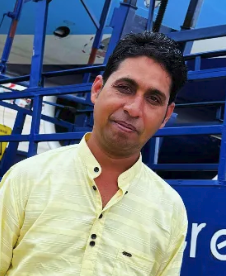
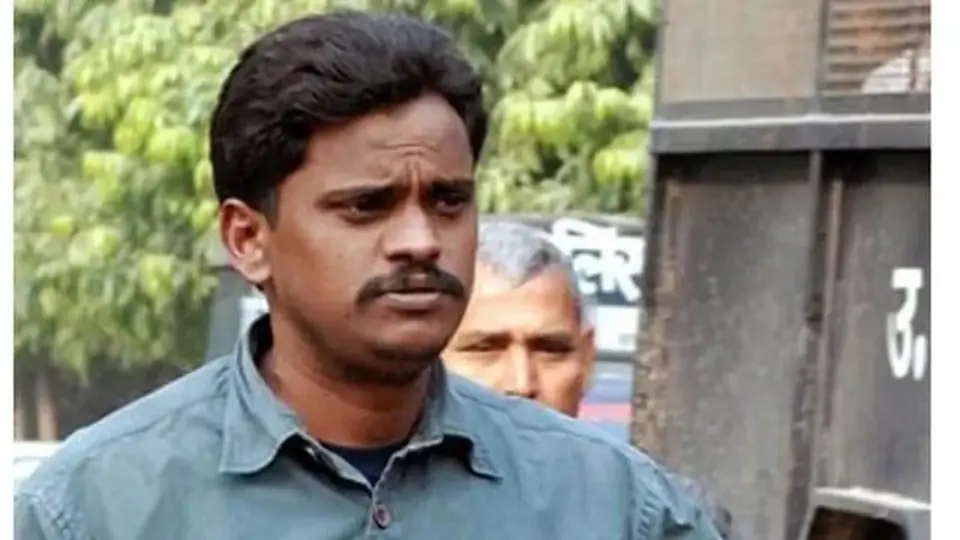
Surendra Koli, the prime accused in the infamous Nithari killings case, died by suicide in Haridwar, Uttarakhand, by hanging himself at a roadside tea stall where he had been working. The incident occurred in the Bhupatwala area of northern Haridwar on Sapt Sarovar Road, opposite the Lalmata temple. Koli had spent approximately 19 years in prison before being acquitted by the Supreme Court in all cases in November 2025, after which he was released and had relocated to Haridwar to earn a living selling tea.
Police at the Sapt Rishi police post received information that a person had hanged himself inside a shop. A police team rushed to the scene and identified the body as that of Surendra Koli. He was originally from village Mangurukhal, Bhikiyasain in Almora district of Uttarakhand.
According to local residents and police sources, Koli had been living in Haridwar for several days and was working as a tea seller. He had rented the small roadside shop only a few days before his death. His body was found hanging by a rope inside the tea stall. Police have informed his family members in Almora about the death and have launched an investigation into the circumstances surrounding the incident. Authorities stated they are examining the matter from all angles to determine what led to this tragic end.
The Nithari case first came to light in December 2006 when skeletal remains, skulls and bones of several children and women were discovered in a drain and open area behind the residence of businessman Moninder Singh Pandher at D-5, Sector 31, Noida. Multiple children and young women who had gone missing from the surrounding localities were believed to be linked to this horrific case.
Surendra Koli worked as a domestic servant at Pandher's house. Police and the Central Bureau of Investigation identified him as the main accused in the case. He faced serious charges including kidnapping, rape, murder and dismemberment of bodies. Some reports had also leveled allegations of cannibalism against him, though these were later dismissed due to lack of evidence. Pandher was also named as an accused in the case.
Koli was arrested in December 2006 and was kept for an extended period in Dasna jail in Ghaziabad. A total of 13 separate cases were registered against him. The CBI court sentenced him to death in several cases. The Supreme Court also upheld the death sentence in one case.
In September 2014, when a date was fixed for his execution, he was transferred from Dasna jail to Meerut jail because Dasna jail did not have gallows for carrying out the death penalty. At the final moments, the execution was stayed following intervention by the Supreme Court.
Subsequently, the Allahabad High Court acquitted him in 12 cases in 2023. The court cited the credibility of evidence, validity of confessions and serious lapses in the investigation. In November 2025, the Supreme Court also acquitted him in the final pending case related to the Rimpa Halder murder and ordered his immediate release. The court termed the investigation as "botched" and described it as a "clear failure of justice."
Koli was released from the jail in Greater Noida in November 2025. After his release, he came to Haridwar and started selling tea to sustain himself.
Police are now investigating the reasons behind his suicide. According to preliminary information, family or personal reasons are being suspected as possible factors, but the complete investigation is still underway. For the families of the Nithari victims, this incident has once again revived painful memories. Many families are still waiting for justice, as the identity of the real perpetrator could not be legally established.
This incident also underscores the complexities of the Indian justice system and the psychological impact of prolonged legal battles. With Surendra Koli's death, one chapter of the Nithari case has closed, but numerous questions remain unanswered.
The Nithari killings shook the nation when they were exposed nearly two decades ago. The discovery of human remains behind the Noida residence led to widespread outrage and demands for swift justice. The case highlighted serious concerns about the safety of children and women in urban areas, particularly those from economically weaker sections. The investigation was marked by controversies, with allegations of police negligence and botched evidence collection emerging repeatedly throughout the legal proceedings.
Koli's long incarceration, death sentences, subsequent acquittals and final release represented one of the most prolonged and controversial criminal cases in recent Indian judicial history. His decision to settle in Haridwar and take up humble work as a tea vendor suggested an attempt to rebuild his life after nearly two decades behind bars. The circumstances that led him to take his own life remain a subject of investigation, with authorities examining whether stigma, isolation, financial difficulties or other factors played a role in his tragic decision.
Frequently asked questions
Who was Surendra Koli and what was he accused of?
Surendra Koli was the prime accused in the Nithari killings case. He worked as a domestic servant at businessman Moninder Singh Pandher's house in Noida and faced charges including kidnapping, rape, murder, and dismemberment of bodies related to the deaths of multiple children and young women discovered in December 2006.
How long was Surendra Koli in prison?
Surendra Koli spent approximately 19 years in prison after his arrest in December 2006. He was acquitted by the Supreme Court in November 2025 and subsequently released.
What happened to Surendra Koli after his acquittal?
After his acquittal in November 2025, Surendra Koli relocated to Haridwar, Uttarakhand, where he worked as a tea seller. He rented a roadside tea stall and died by suicide by hanging himself inside the shop in the Bhupatwala area of Haridwar.
Why was Surendra Koli acquitted?
The Allahabad High Court acquitted Koli in 12 cases in 2023, citing credibility issues with evidence, validity of confessions, and serious lapses in the investigation. The Supreme Court subsequently acquitted him in the final pending case in November 2025.
What was the Nithari killings case?
The Nithari killings case came to light in December 2006 when skeletal remains, skulls, and bones of several children and women were discovered in a drain and open area behind a residence in Noida. Multiple missing children and young women from surrounding localities were believed to be linked to this case.
You may also like
 Politics
BJP appoints State in-charges; Smriti Irani gets Haryana, Chhatti
 Entertainment
Uttarakhand's 21-year-old film producer breaks box office record, wins world title
 Politics
BJP chief Nitin Nabin to address Delhi press conference before Uttarakhand visit
 Politics
Congress appoints Pankudi Pathak as National Media Coordinator for Uttarakhand elections
Most read
- 1
Tesla audits Chinese suppliers to scale up Optimus robot production
- 2
Former minister Lakhan Singh Rajput to inaugurate temple bhandara at Shri Chakreshwar Mahadev
- 3
Firozabad BSA finds four government schools locked during inspection
- 4
Tamil Nadu dengue cases fall for third consecutive year to 17,049
- 5
Social workers stage silent protest at Fufund railway station for train halts
Comments
No comments yet. Be the first to comment.