
Medical college in Hapur trains staff on reporting drug side effects safely
Saraswati Institute of Medical Sciences in Hapur organized a successful awareness program and hands-on training workshop on filling adverse drug reaction forms and reporting to the Pharmacovigilance
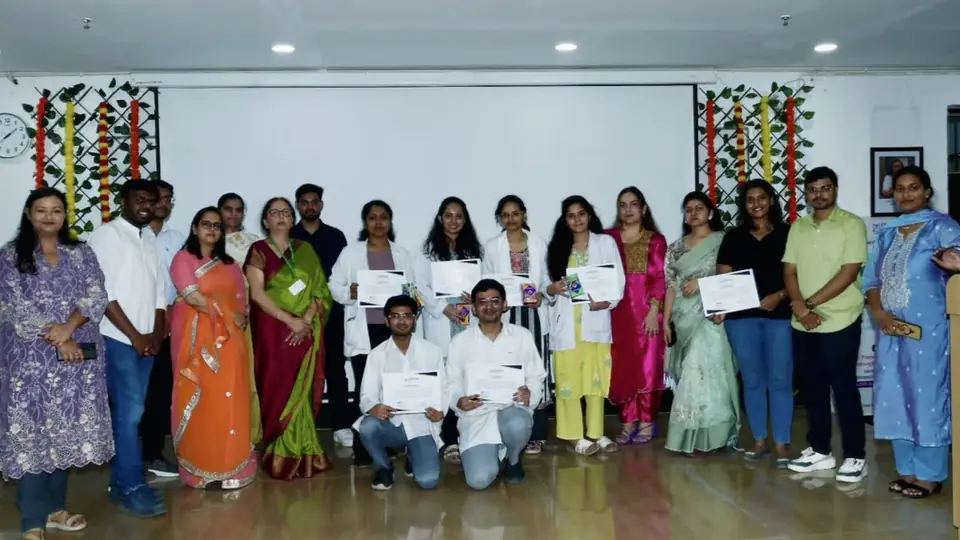
Saraswati Institute of Medical Sciences in Hapur organized a successful awareness program and hands-on training workshop on filling adverse drug reaction forms and reporting to the Pharmacovigilance Programme of India as part of the sixth National Pharmacovigilance Week. The workshop was conducted by the Department of Pharmacology at the institute.
The training program was held under the aegis of the National Coordination Centre, Indian Pharmacopoeia Commission, Ghaziabad, Government of India. The primary objective of the workshop was to provide medical students, nursing staff and faculty members with practical knowledge about identifying, documenting, filling forms and reporting adverse drug reactions, while also increasing awareness about drug safety and rational drug use.
During the workshop, participants were given detailed information about the process of identifying adverse drug reactions, documenting necessary information, filling ADR forms and reporting under India's Pharmacovigilance Programme of India. The training covered both theoretical knowledge and practical aspects of pharmacovigilance reporting.
Speakers at the program emphasized that timely identification and accurate reporting of adverse reactions occurring during the use of medicines plays a crucial role in ensuring patient safety. They highlighted that pharmacovigilance plays a significant role in strengthening patient safety, drug quality, rational drug use and safe healthcare services.
The workshop provided participants with theoretical knowledge along with practical training. Participants were taught the process of filling adverse drug reaction forms and their reporting through examples. This gave students and healthcare workers an opportunity to develop the practical skills necessary for identifying ADRs and their timely reporting.
After the training session, an interactive quiz was also organized on the subject of pharmacovigilance and adverse drug reaction reporting. Undergraduate and postgraduate students as well as nursing staff participated enthusiastically in the quiz. Through the quiz, along with testing the knowledge of participants, important topics related to pharmacovigilance were reviewed in a participatory manner.
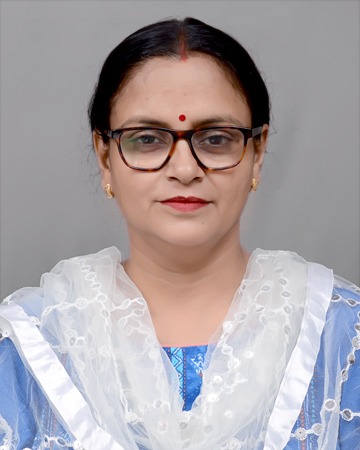
The program was coordinated by Dr. Kavita Dhar Bagati, Professor and Head of Department, Pharmacology Department, along with her team. Dr. Shakita Fatima, Dr. Tabinda Nazeer, Dr. Poonam Singh, Dr. Ankit Agarwal, Dr. Sonakshi Singh, Dr. Tarun Sharma, Dr. Shreya Saxena, Dr. Shyam Sundar, Dr. Utkarsh Hari, Dr. Akhildas, Dr. Surabhi and Dr. Deepak played active roles in organizing the event.
With the successful organization of the workshop, Saraswati Institute of Medical Sciences has further strengthened its commitment to safe drug use, patient safety and quality medical education.
The program was attended by the institute's Principal Dr. Barkha Gupta, Medical Superintendent Major General Dr. Charanjit Singh Ahluwalia, Senior Advisor Brigadier Dr. R. K. Sehgal, General Manager Shri N. Vardharajan and Director Shri Raghuvar Dutt, along with heads of various departments, faculty members, undergraduate and postgraduate students and nursing staff.
The awareness and training workshop held at Saraswati Institute of Medical Sciences on the occasion of the sixth National Pharmacovigilance Week marks an important step in building capacity among healthcare providers for drug safety monitoring. The practical focus of the training, combined with the interactive quiz component, ensured that participants gained not just theoretical understanding but also hands-on experience in identifying and reporting adverse drug reactions through the official channels of the Pharmacovigilance Programme of India. The involvement of students, nursing staff and faculty members across different levels reflects the institute's comprehensive approach to embedding pharmacovigilance practices within its clinical and academic ecosystem.
Frequently asked questions
What is the Pharmacovigilance Programme of India?
The Pharmacovigilance Programme of India is a government initiative under the Indian Pharmacopoeia Commission that focuses on identifying, documenting, and reporting adverse drug reactions to ensure patient safety and drug quality.
Who should report adverse drug reactions?
Medical students, nursing staff, faculty members, and healthcare workers should identify and report adverse drug reactions that occur during the use of medicines.
Why is timely reporting of adverse drug reactions important?
Timely identification and accurate reporting of adverse reactions plays a crucial role in ensuring patient safety, strengthening drug quality, promoting rational drug use, and maintaining safe healthcare services.
What training was provided in the workshop?
The workshop provided both theoretical knowledge and practical training on identifying adverse drug reactions, documenting necessary information, filling ADR forms, and reporting them through the Pharmacovigilance Programme of India.
You may also like
 Education
Tamanna Bhaatia and Siddharth Malhotra light up Rama Medical College music fest
 Education
Students present vision for developed India at school competition in Hapur
 Uttar Pradesh
Hapur teacher Amit Kumar Sharma wins Uttar Pradesh State Teacher Award
 Uttar Pradesh
Hapur teacher Amit Kumar Sharma honoured with UP State Teacher Award 2025
Most read
- 1
Tesla audits Chinese suppliers to scale up Optimus robot production
- 2
Former minister Lakhan Singh Rajput to inaugurate temple bhandara at Shri Chakreshwar Mahadev
- 3
Firozabad BSA finds four government schools locked during inspection
- 4
Tamil Nadu dengue cases fall for third consecutive year to 17,049
- 5
Social workers stage silent protest at Fufund railway station for train halts
Comments
No comments yet. Be the first to comment.