
Zero MDR policy on UPI set to benefit small traders and merchants across India
The continuation of the zero percent MDR (Merchant Discount Rate) framework on UPI (Unified Payments Interface) is expected to bring relief to small traders and merchants across India.

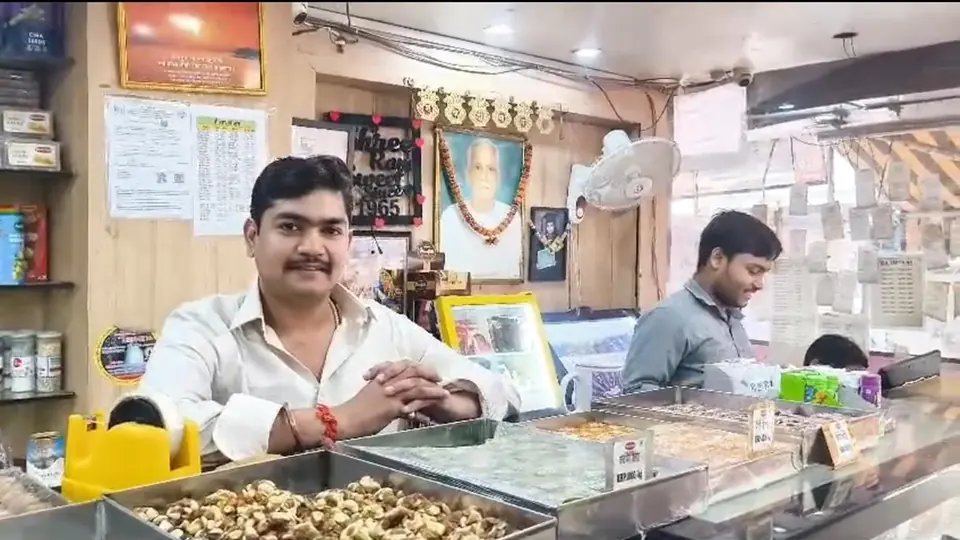
The continuation of the zero percent MDR (Merchant Discount Rate) framework on UPI (Unified Payments Interface) is expected to bring relief to small traders and merchants across India. According to the government and NPCI, no charges are being levied on customers or shopkeepers for payments made through UPI, a policy that stands to directly benefit a wide range of small businesses.
Small grocery store owners, tea and paan shops, cloth merchants, and even street vendors selling goods on handcarts and footpaths stand to gain significantly from this arrangement. The zero-fee structure ensures that even when customers do not have cash readily available, they can still make payments easily through UPI. This convenience is expected to reduce the likelihood of small businesses losing sales due to lack of cash on hand with buyers.
The mechanism also streamlines transactions, as payments are transferred directly into bank accounts, making the entire process more convenient for traders. Another important advantage of digital payments is that they create a recorded trail of business transactions. This documentation of financial activities can serve as proof for accessing banking services and loans in the future, potentially helping small traders integrate into the formal financial system.
However, concerns have been raised by some trader organizations regarding technical difficulties associated with the system. Issues such as network failures, payment delays, or money being transferred to incorrect accounts can create problems for small merchants. Additionally, discussions have continued around the costs borne by businesses connected to the payment infrastructure and the possibility of future fee structures being introduced.
For now, the zero MDR regime on UPI is functioning as a system that promotes digital payments between small traders and customers, fostering financial inclusion and transaction convenience across Pratapgarh and similar markets nationwide.
Frequently asked questions
What is the zero MDR policy on UPI and who does it benefit?
The zero percent MDR (Merchant Discount Rate) policy means no charges are levied on customers or shopkeepers for UPI payments. It benefits small traders and merchants across India, including grocery store owners, tea and paan shops, cloth merchants, and street vendors.
How does zero MDR on UPI help small businesses?
The zero-fee structure allows customers without cash to make payments easily through UPI, reducing lost sales. It also streamlines transactions by transferring payments directly into bank accounts, and creates a recorded transaction trail that can serve as proof for accessing banking services and loans.
What technical concerns have been raised about UPI?
Trader organizations have reported issues such as network failures, payment delays, and money being transferred to incorrect accounts, which can create problems for small merchants using the system.
Could UPI fees change in the future?
While the zero MDR regime is currently in place, discussions have continued around the possibility of future fee structures being introduced for UPI transactions.
You may also like


Most read
- 1
Tesla audits Chinese suppliers to scale up Optimus robot production
- 2
Former minister Lakhan Singh Rajput to inaugurate temple bhandara at Shri Chakreshwar Mahadev
- 3
Firozabad BSA finds four government schools locked during inspection
- 4
Tamil Nadu dengue cases fall for third consecutive year to 17,049
- 5
Social workers stage silent protest at Fufund railway station for train halts
Comments
No comments yet. Be the first to comment.