Fraudsters now use fake bank calls, UPI scams, and AI voice cloning to trick people.
Here are seven simple, practical habits that sharply cut your risk of falling victim.

The Digital Mirror of India
Fraudsters now use fake bank calls, UPI scams, and AI voice cloning to trick people.
Here are seven simple, practical habits that sharply cut your risk of falling victim.
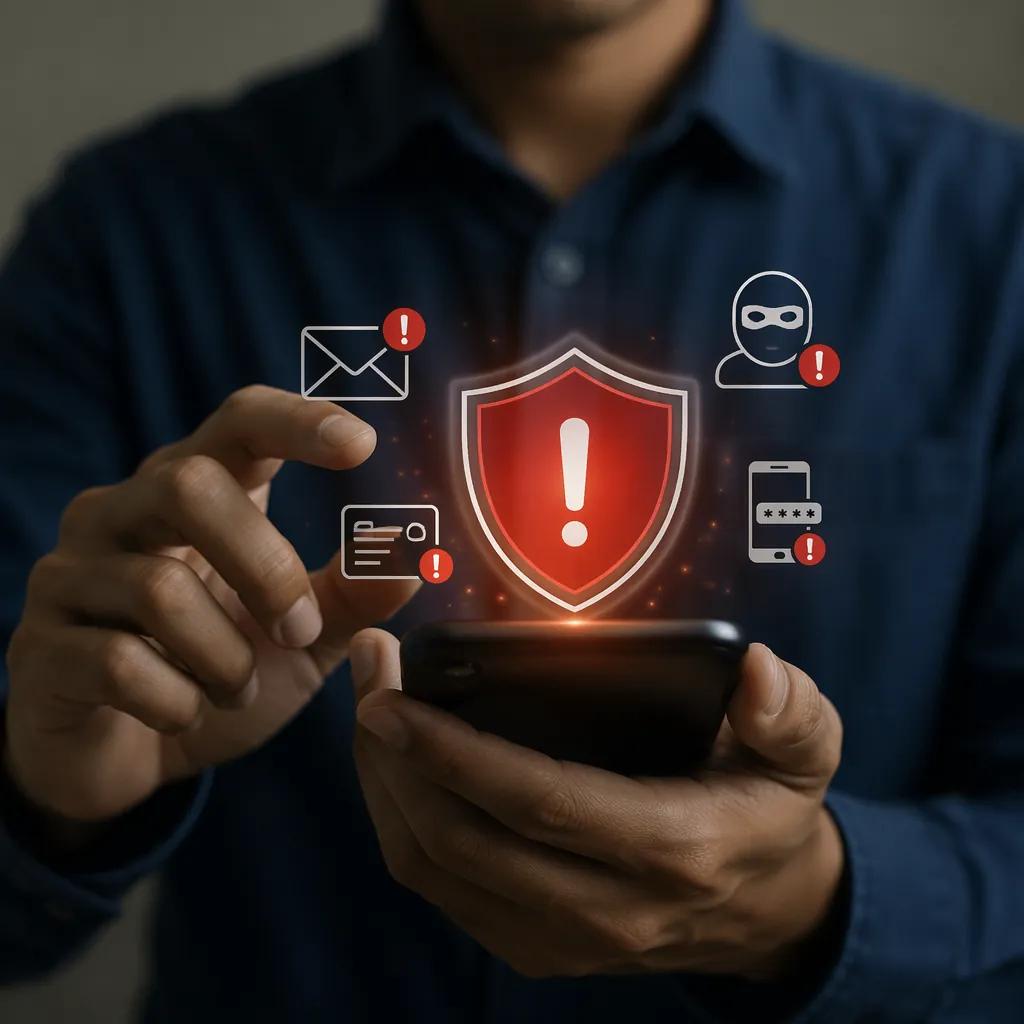
Editorial illustration: a person holding a smartphone with a · NewsDarpan AI
Scammers are getting smarter every day. From fake bank calls and UPI frauds to AI-generated voice scams, fraudsters keep finding new ways to trick people. Most scams work the same way — they create urgency, fear, or excitement so the victim acts without thinking. A few simple habits can dramatically reduce your chances of being cheated.
No genuine bank, payment app, government agency, or customer-support team will ever ask for your OTP. If someone asks for it, treat it as an immediate red flag and hang up.
Scammers often pose as banks, delivery companies, telecom operators, or government officials. If you get a suspicious call, disconnect and reach the organisation through its official website or printed customer-care number — not the number the caller gives you.
Many scams trigger panic by claiming your account will be blocked, your KYC has expired, or legal action is coming. Pressure and a ticking clock are among the most common signs of fraud. Slow down.
Avoid clicking links in SMS, email, or chat messages from unknown senders. Always check the full web address before entering any personal or banking details. A tiny spelling change in a URL is a classic trap.
Spam-detection apps can flag suspicious callers before you pick up. Community-based reporting has become an important extra layer of defence against scam calls and messages.
Fraudsters can now clone voices to sound like a family member, colleague, or senior official. If a caller asks for money or sensitive details, verify their identity through a separate, known channel before doing anything.
Many victims are targeted simply because they don't know the latest tricks. Sharing scam-awareness tips with parents, elderly relatives, and friends can stop a loss before it happens.
Technology can help reduce fraud, but awareness is still the strongest shield. A few extra seconds spent verifying a caller, a message, or a payment request can save you from serious financial and emotional damage. Stay cautious, stay informed, and help others stay safe too.