
A study suggests the Tonga volcano eruption could provide valuable insights into methane destruction, a key factor in addressing climate change.
Study Links Tonga Volcano Eruption to Methane Destruction Insights
A study suggests the Tonga volcano eruption could provide valuable insights into methane destruction, a key factor in addressing climate change.
Quick answer
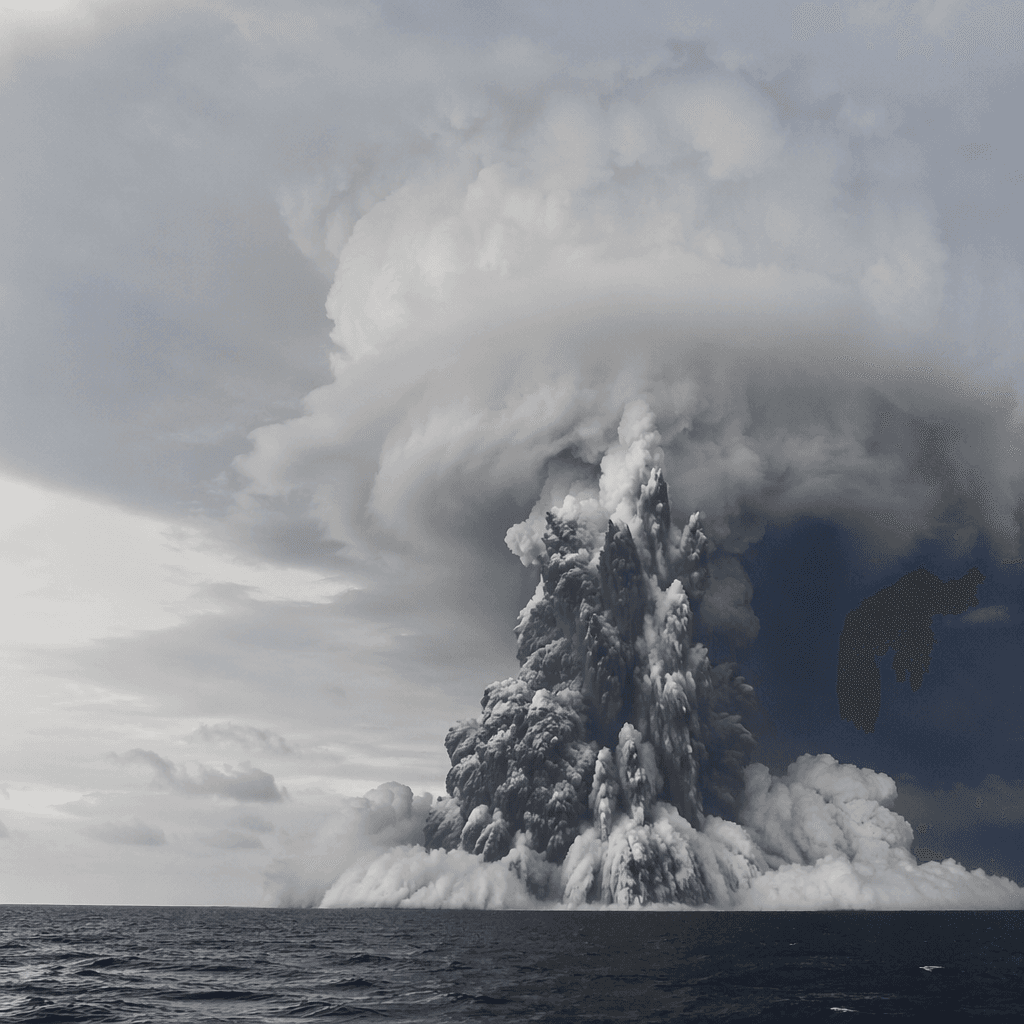
AI-generated illustration · NewsDarpan (GPT-Image-2)
A recent study has highlighted that the powerful eruption of the Hunga Tonga-Hunga Ha'apai underwater volcano may offer critical insights into methods for destroying methane, a potent greenhouse gas. The eruption, which captured global attention, is now being examined for its potential implications in combating climate change.
Methane, a significant contributor to global warming, has long been a focus of scientific research due to its ability to trap heat in the atmosphere. The study suggests that the unique conditions created by the Tonga eruption could hold clues to natural processes capable of breaking down methane more effectively. While the exact mechanisms remain under investigation, researchers believe that understanding these processes could lead to innovative strategies for reducing methane levels in the atmosphere.
The findings from this study could have far-reaching implications for global climate action, particularly in efforts to mitigate the effects of greenhouse gases. However, further research is needed to fully understand the phenomenon and its potential applications.
The study underscores the importance of natural events in advancing scientific knowledge and addressing environmental challenges. As researchers continue to analyze the data, the Tonga eruption serves as a reminder of the interconnectedness of natural phenomena and human efforts to combat climate change.