The U.S.
Trade Representative has proposed a 12.5% additional tariff on India and 53 other nations for not prohibiting imports of goods linked to forced labour, according to GTRI.

The U.S.
Trade Representative has proposed a 12.5% additional tariff on India and 53 other nations for not prohibiting imports of goods linked to forced labour, according to GTRI.
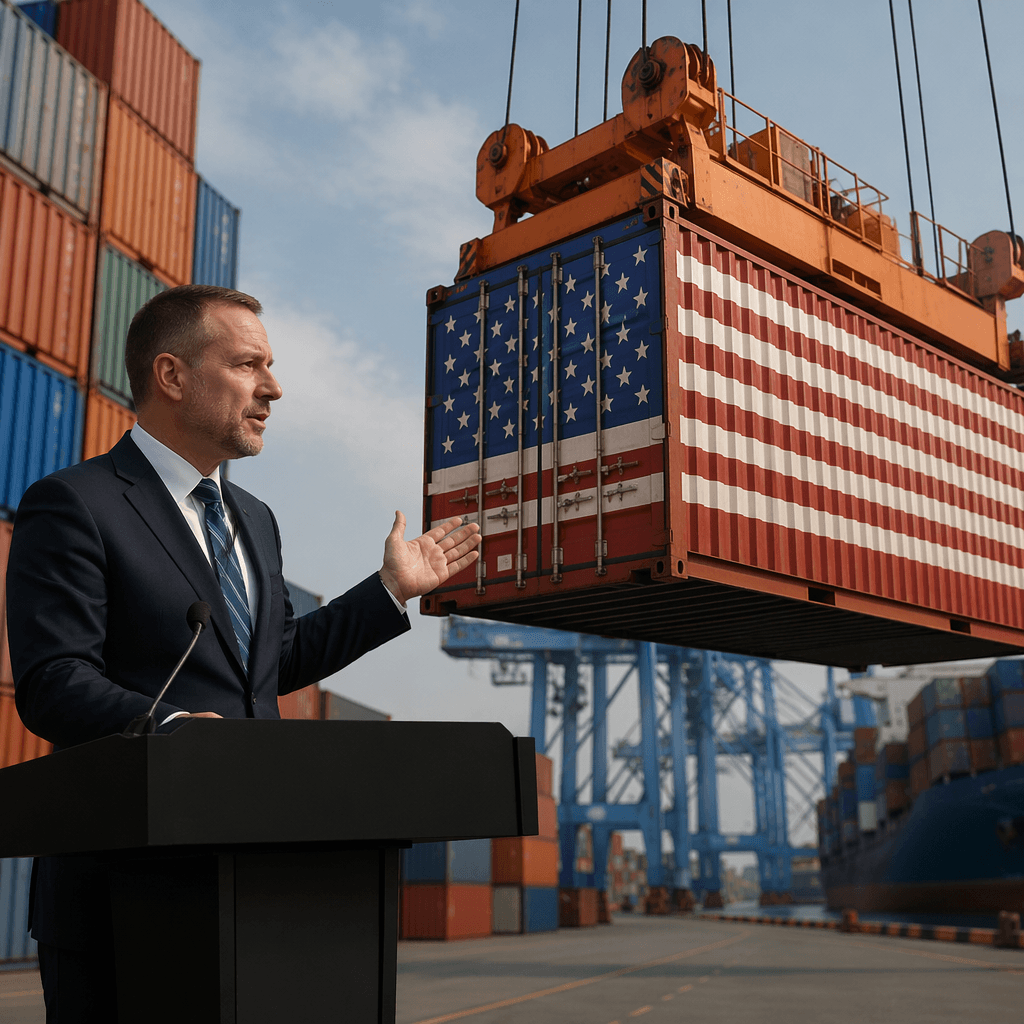
AI-generated illustration · NewsDarpan (GPT-Image-2)
The U.S. Trade Representative (USTR) has proposed imposing an additional 12.5% tariff on imports from 54 countries, including India, citing their failure to prevent the import of goods produced using forced labour. This development has raised concerns, with the Global Trade Research Initiative (GTRI) urging India to challenge the proposal.
The proposed tariff falls under Section 301 investigations, a mechanism often used by the U.S. to address unfair trade practices. According to GTRI, the move could have significant implications for India's exports to the U.S., a key trading partner. The organization emphasized the need for India to take a firm stance against the measure to safeguard its trade interests.
The USTR's proposal is part of broader efforts to address forced labour concerns in global supply chains. However, the inclusion of India among the targeted nations has drawn attention, given the potential economic impact on bilateral trade. GTRI has highlighted the importance of India presenting its case effectively to counter the proposed tariff.
This issue underscores the growing complexities in international trade relations, with forced labour concerns becoming a focal point for policy actions. The outcome of this proposal could set a precedent for future trade measures.
Further details on India's response to the USTR's proposal are awaited.